Sindhu Darshan Festival History

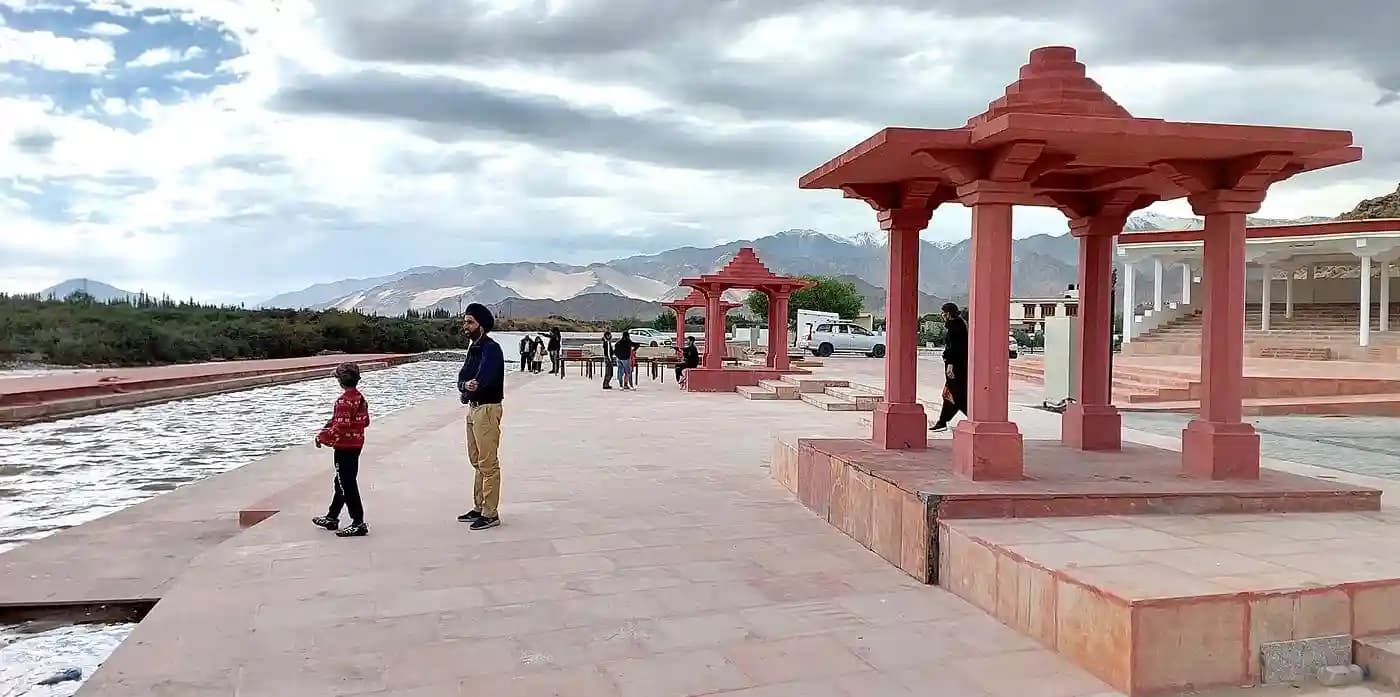
Tarun Vijay, together with senior BJP leader L.K. Advani, developed the concept of the Sindhu Darshan Festival in 1996 while exploring the cultural heritage of the Sindhu River in Leh. The festival began its first year in October 1997, while each successive celebration occurs annually in June to mark the occasion of Guru Purnima. Through government backing, the Sindhu Cultural Centre has been established, and the Sindhu Darshan Festival has expanded to gain strong community and official support.
How to Reach Leh for the Festival?

By Air: The nearest airport is Kushok Bakula Rimpochee Airport in Leh, with flights from major Indian cities
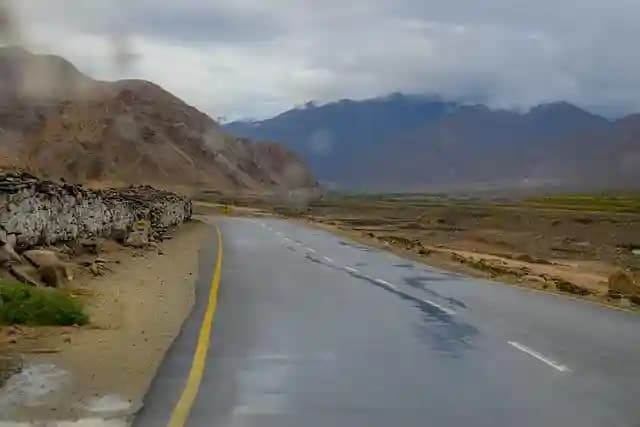
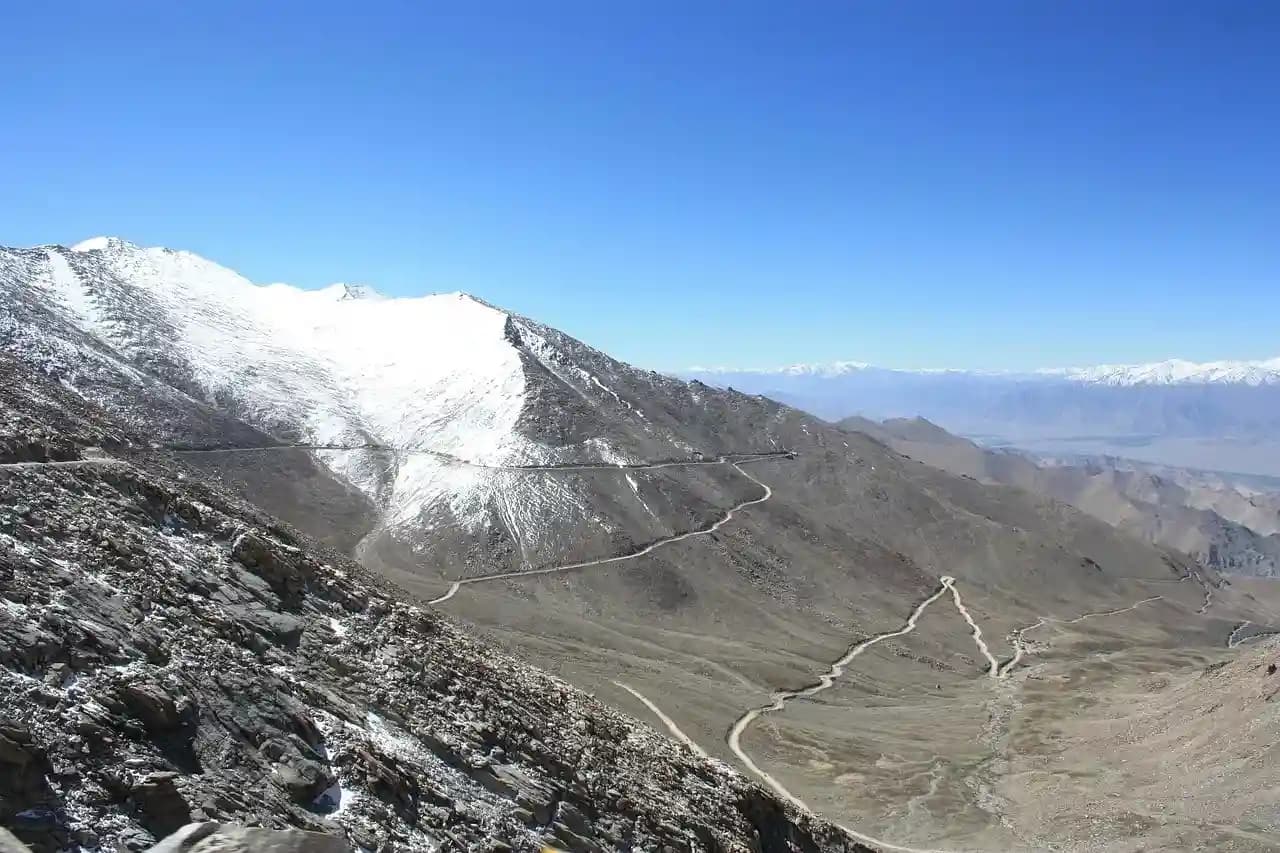
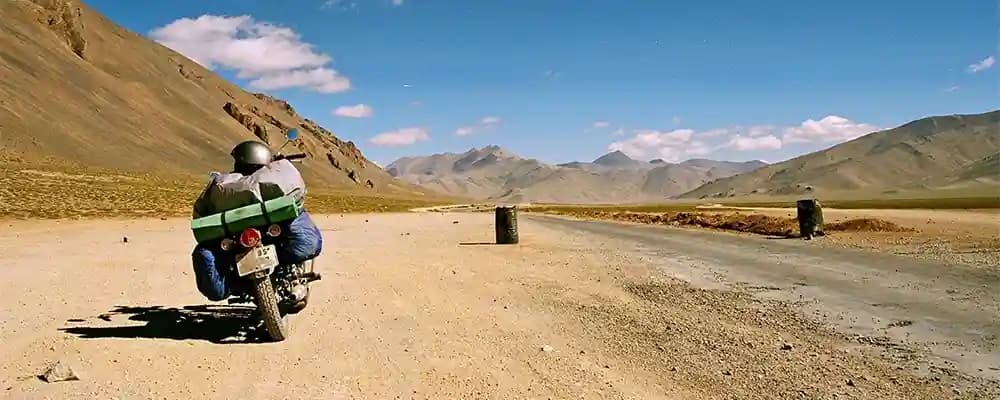
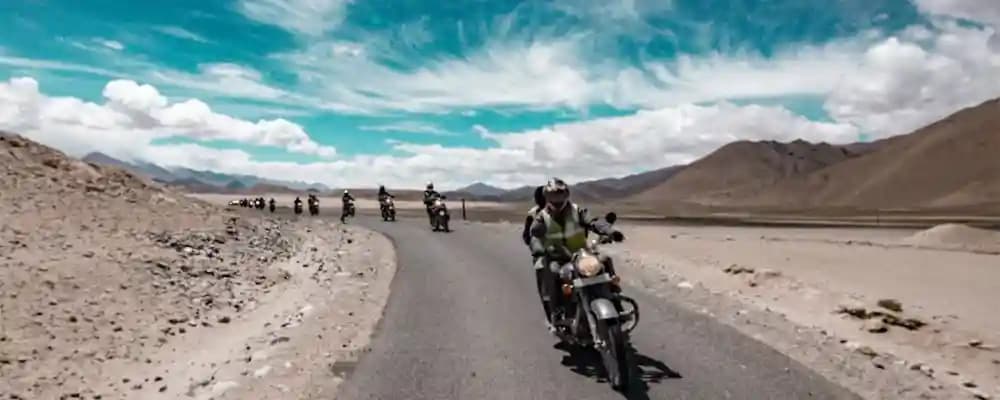
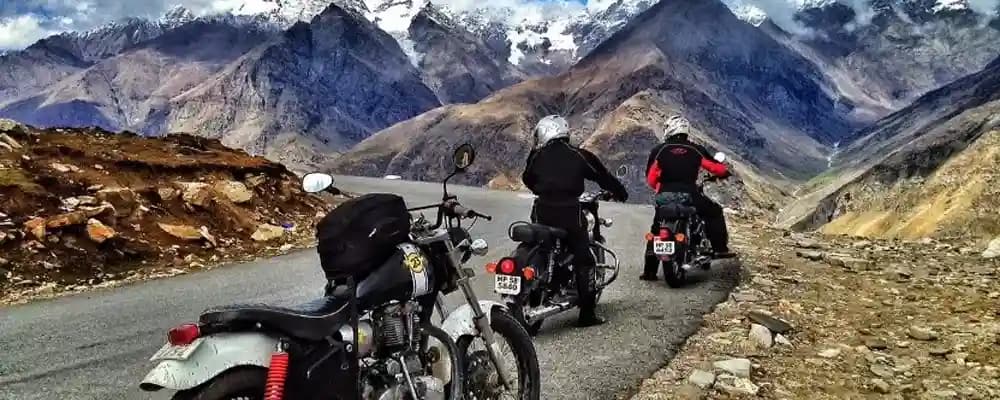
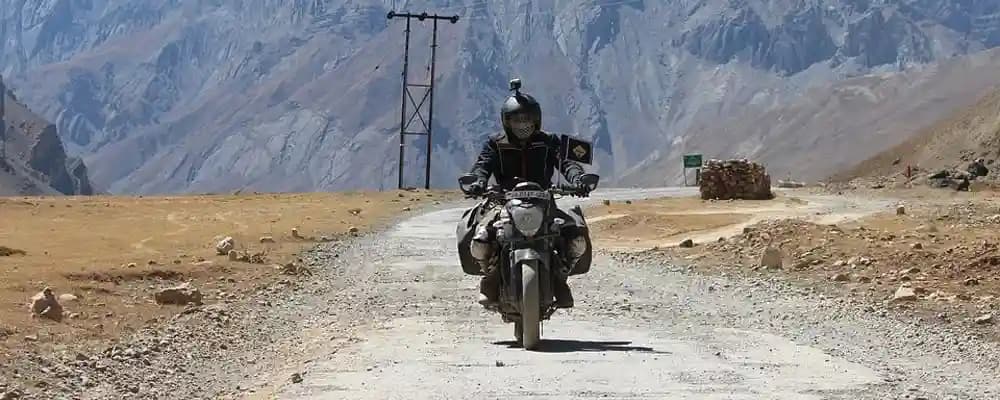
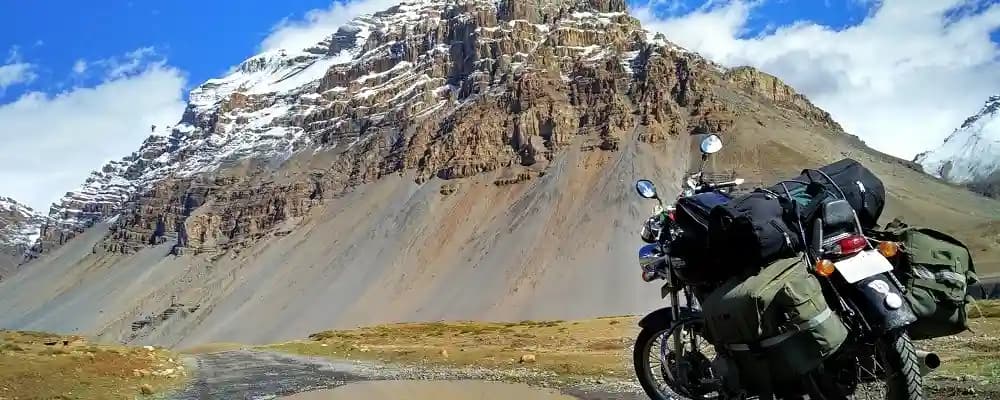
By Road: Leh is accessible via road from Srinagar and Manali, offering scenic but challenging drives.
By Rail: The closest railway station is Jammu Tawi, approximately 700 kilometers from Leh, followed by a road journey.
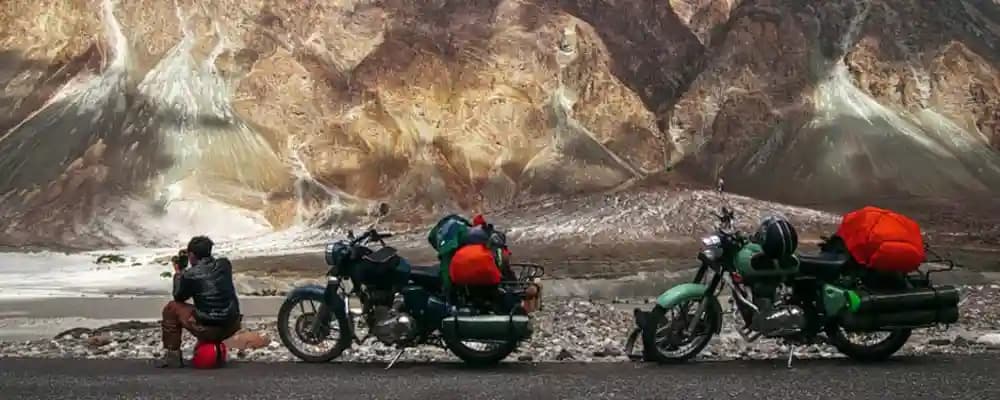
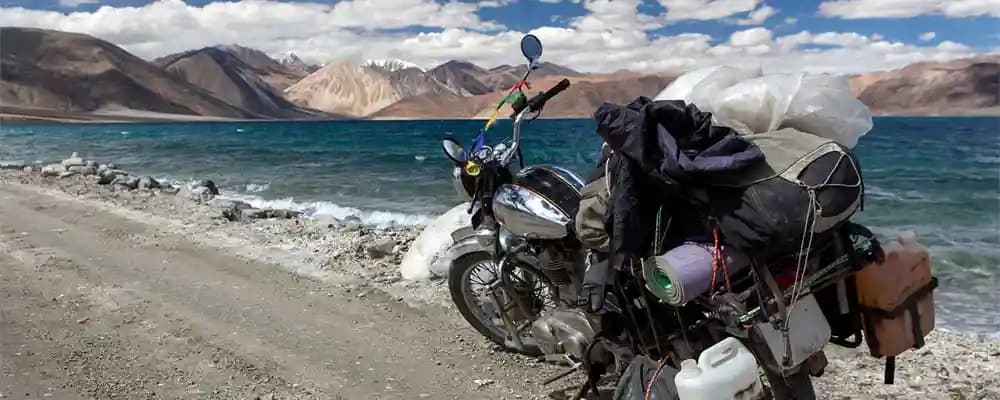
Suggested Read: Leh Ladakh Bike Trip
Key Events and Experiences at the Festival
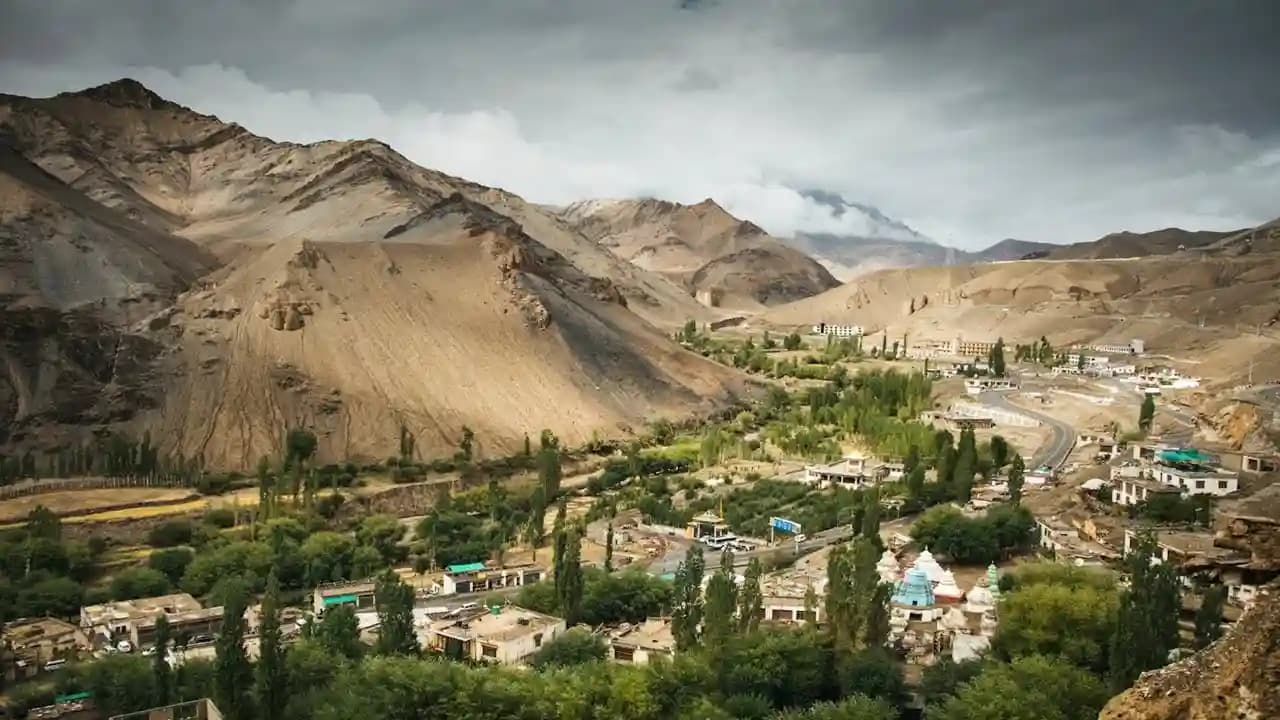
The Sindhu Darshan Festival is absolutely packed with culturally enriching and spiritually uplifting experiences. The sacred rituals of the festival along with the artistic performances make sure that every moment here reflects the unity and diversity of India. Let us have a look at the key events of the festival!
1. Water Immersion Ceremony

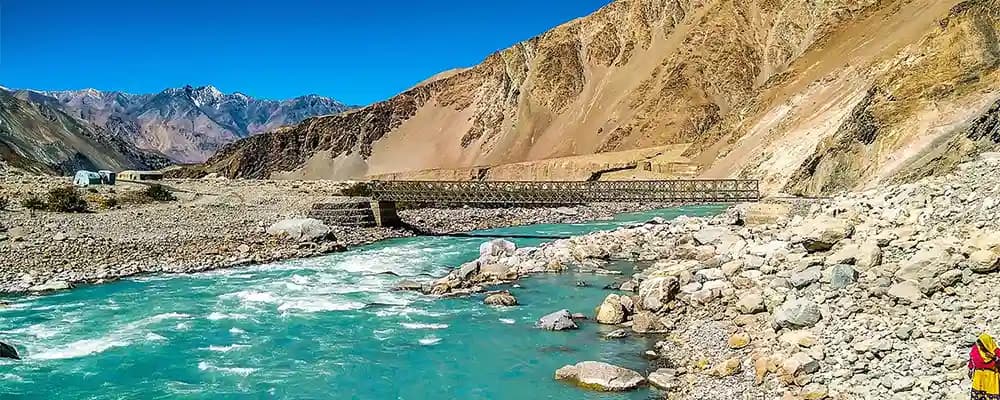
The most symbolic of all Sindhu Darshan Festival rituals is the Water Immersion Ceremony. Pilgrims and tourists from all across India carry water from domestic rivers in urns or small containers. The water is poured into the Indus River ceremonially, symbolizing a joining of cultures and religions. The ritual reaffirms national integration and respect for the river that has nurtured civilizations for millennia.
Ritual Significance: Symbol of agreement and shared heritage
Participants: Pilgrims from all over India
Key Point: Indian river water mixed with Sindhu
2. Cultural Programs

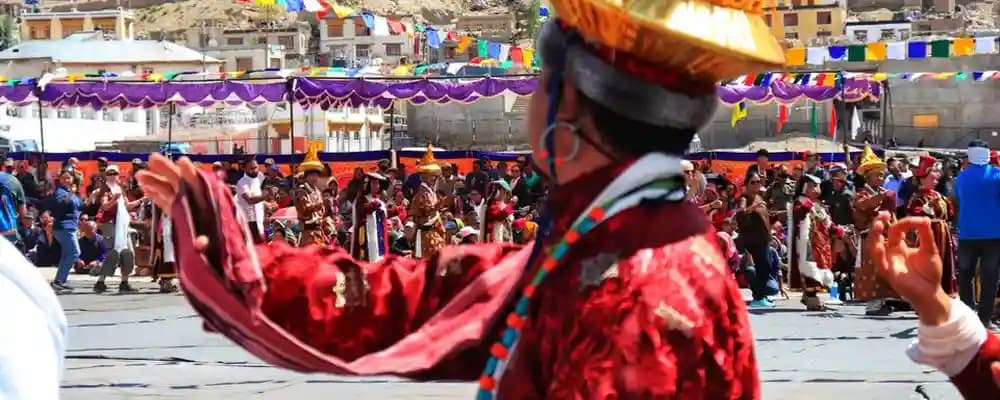
The evenings of the Sindhu Darshan Festival are replete with vibrant cultural performances by artists from various Indian states. Ranging from classical Bharatnatyam and Bihu to folk dance of Ladakh and Punjabi Giddha, each performance is a showcase of the country's incredible cultural diversity. Not only are the performances interesting, but they also create a sense of belongingness and respect among artists of various backgrounds.
Performers: Indian folk and classical performers across India
Performances: Dance, music, and state-wise presentations
Cultural Unity: Focuses on India's regional diversity
3. Religious Prayers

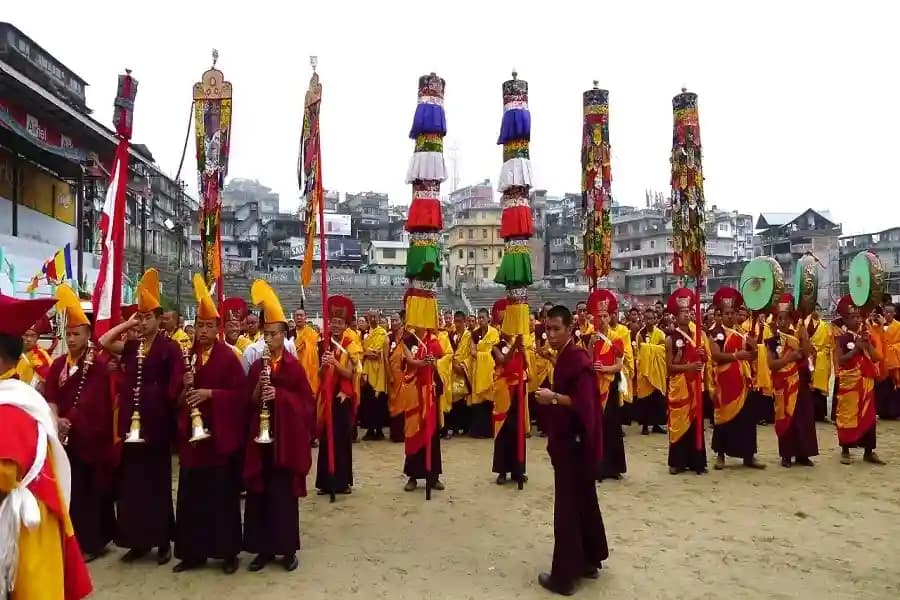
The religious rituals and prayer ceremonies performed on the banks of the Sindhu River are a peaceful but powerful feature of the Sindhu Darshan Festival. Buddhist monks recite mantras, and Hindu, Sikh, and Christian community leaders pray for peace and harmony. The peaceful environment of the river and Himalayas contributes to the spiritual power of the celebration, which is an actual sacred experience.
Multifaith: Prayers by Buddhist, Hindu, Sikh, and Christian leaders
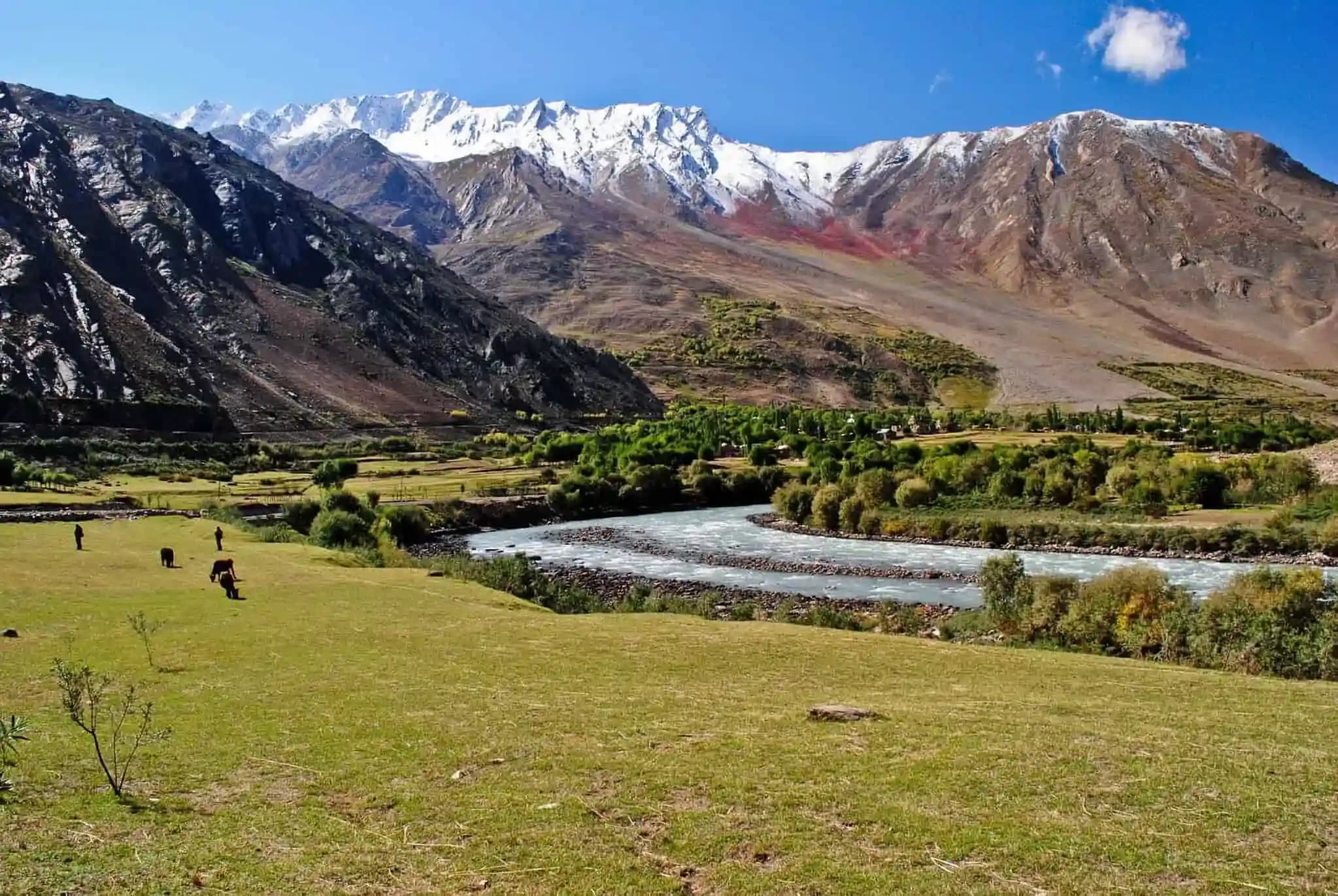
Ambience: Mountain scenery with riverbank ceremonies
Purpose: Spiritual balance and blessings for the country
3. Sightseeing Tours

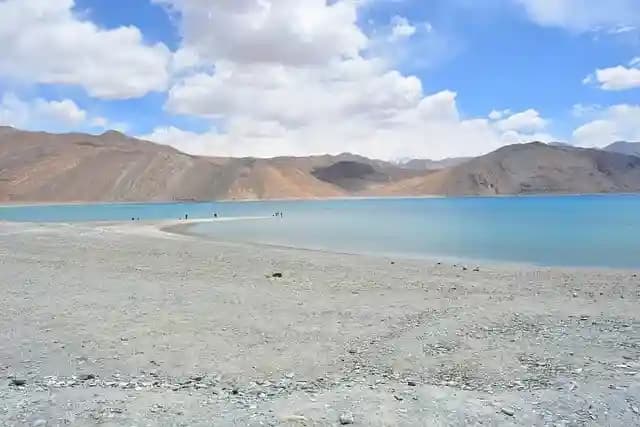
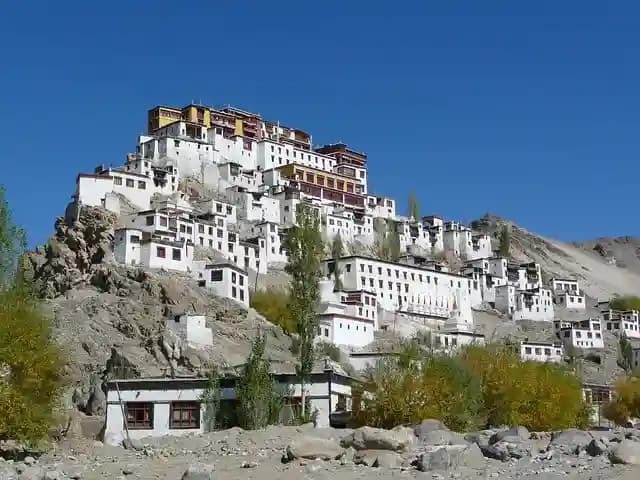
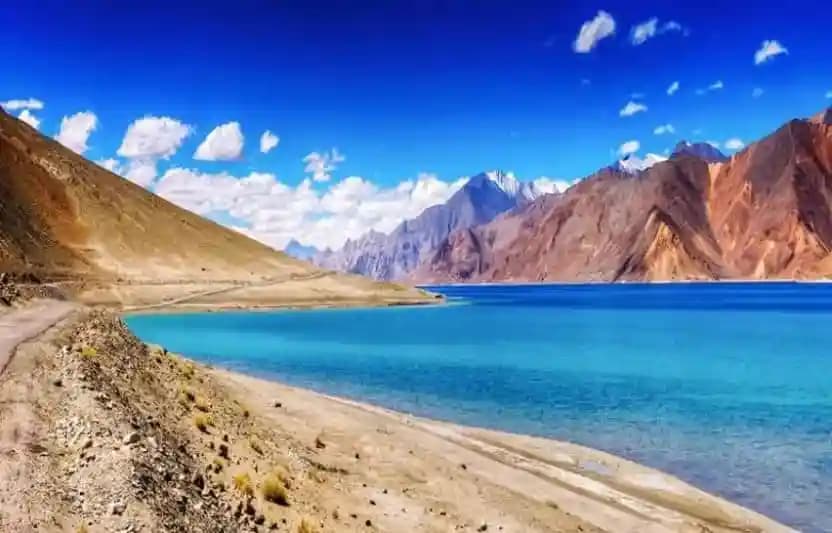
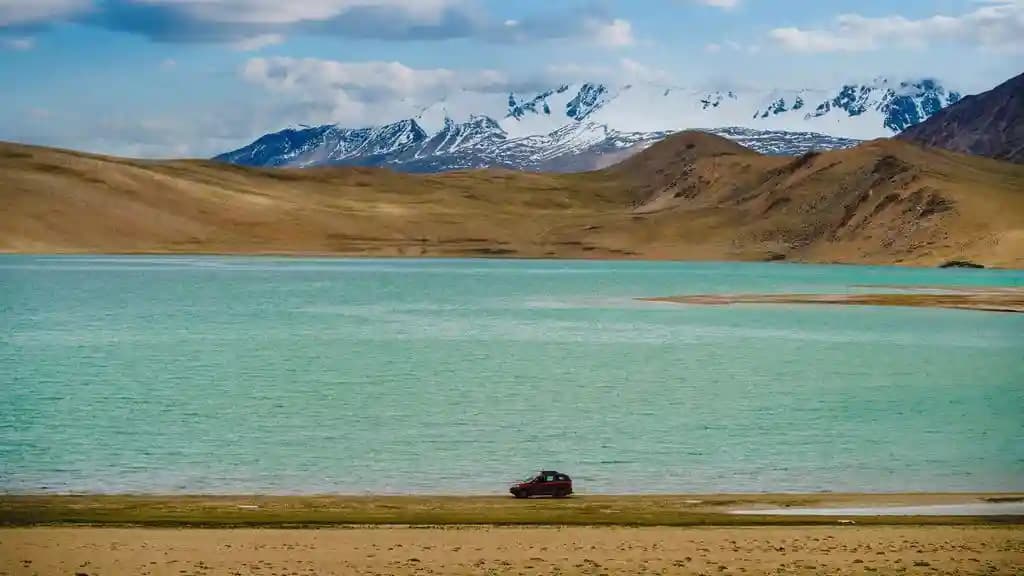
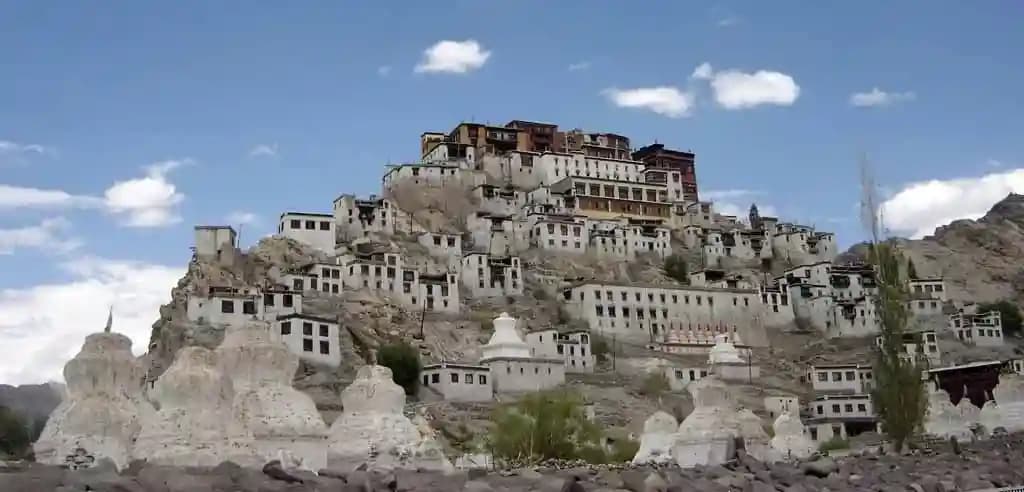
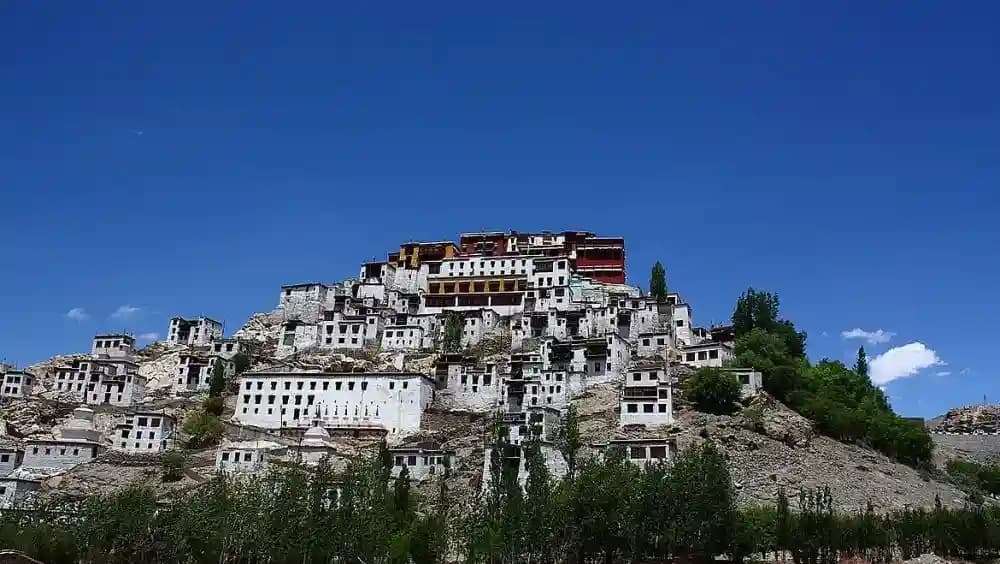
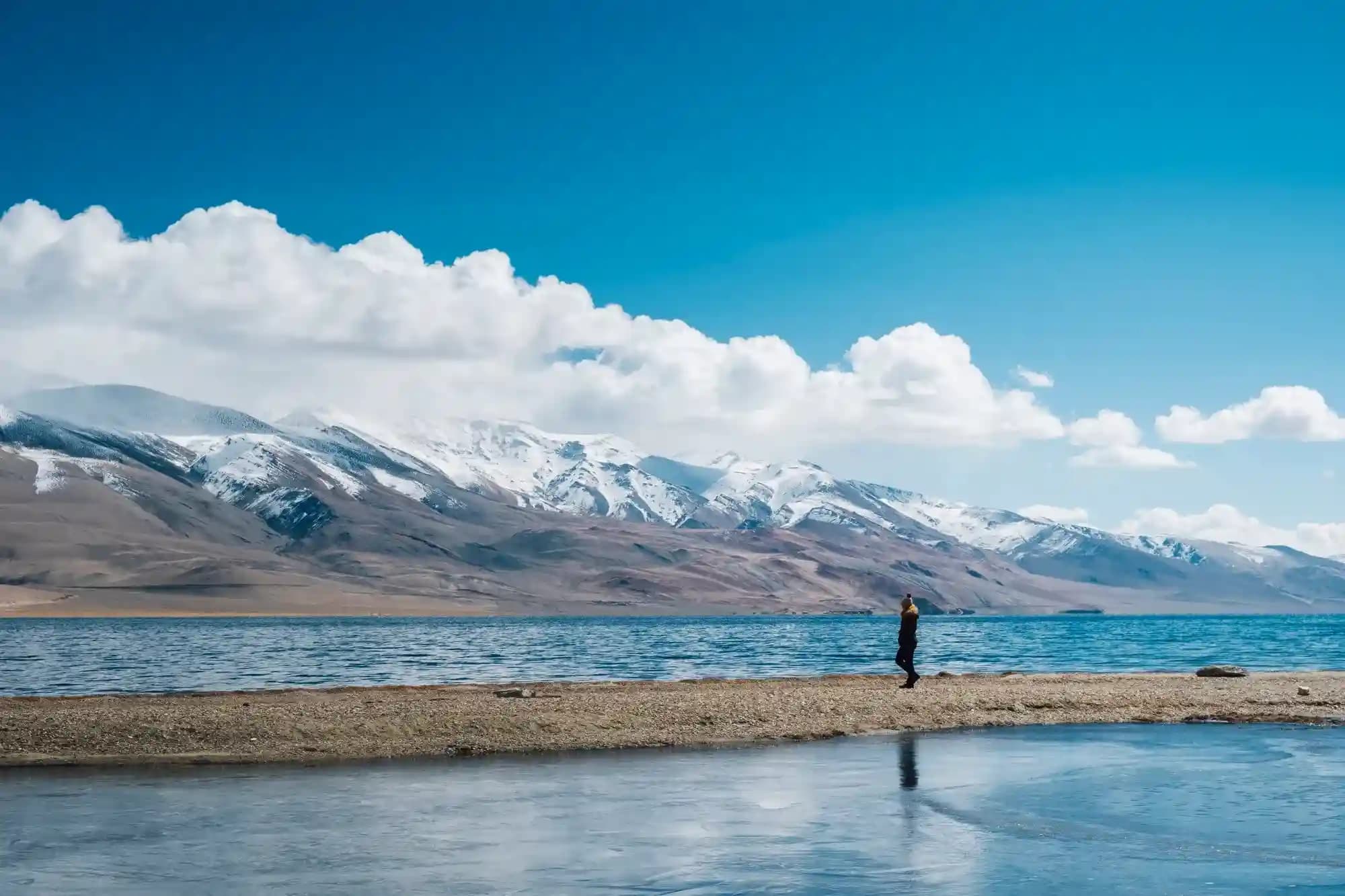
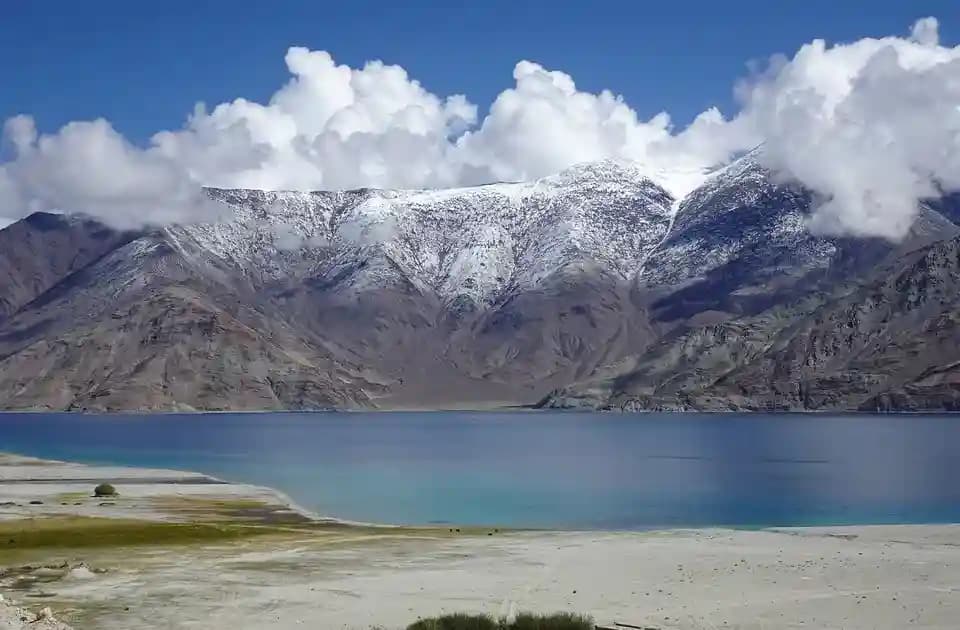
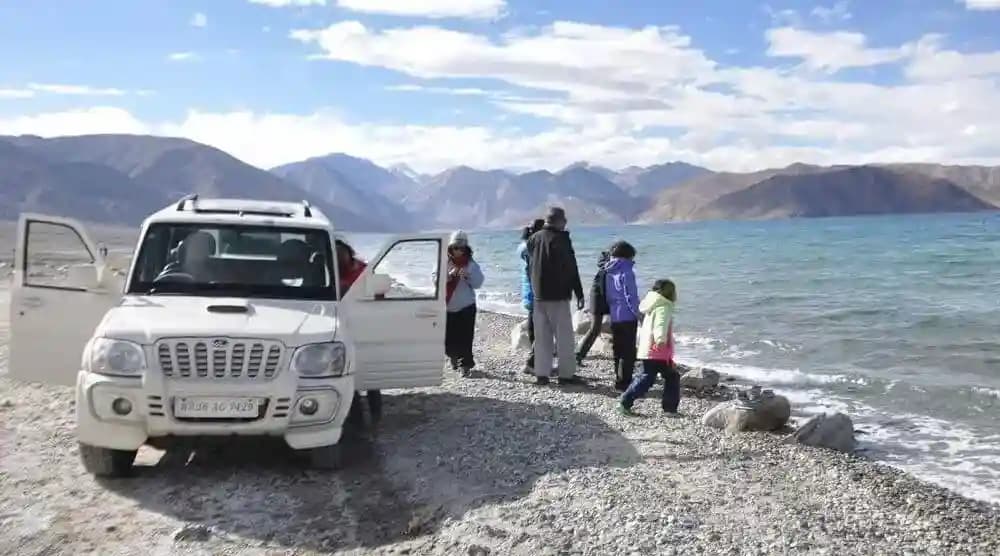
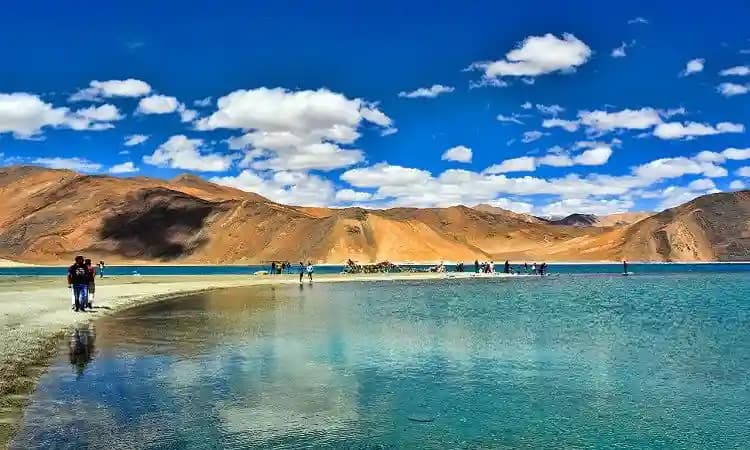
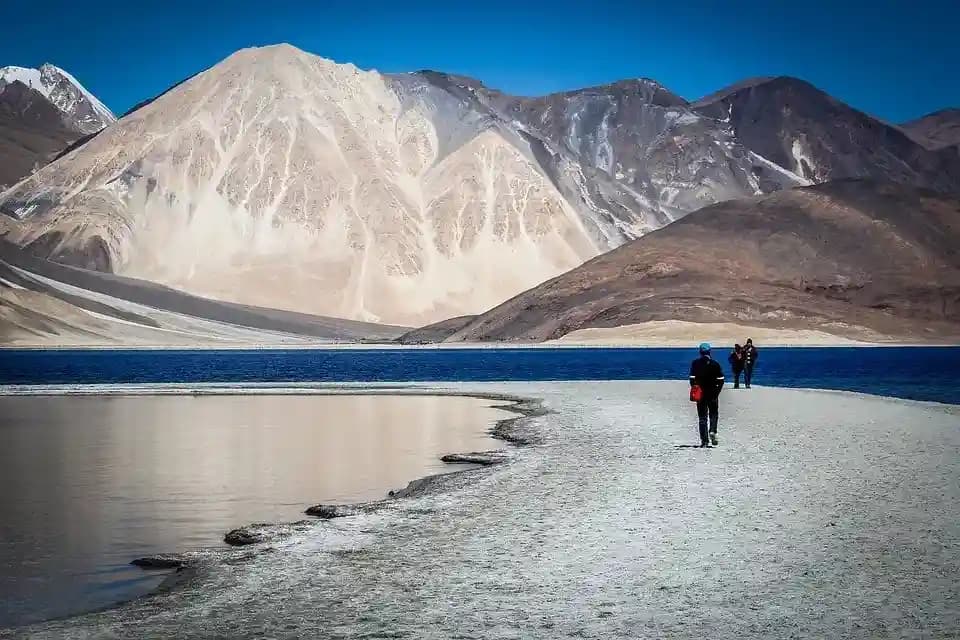
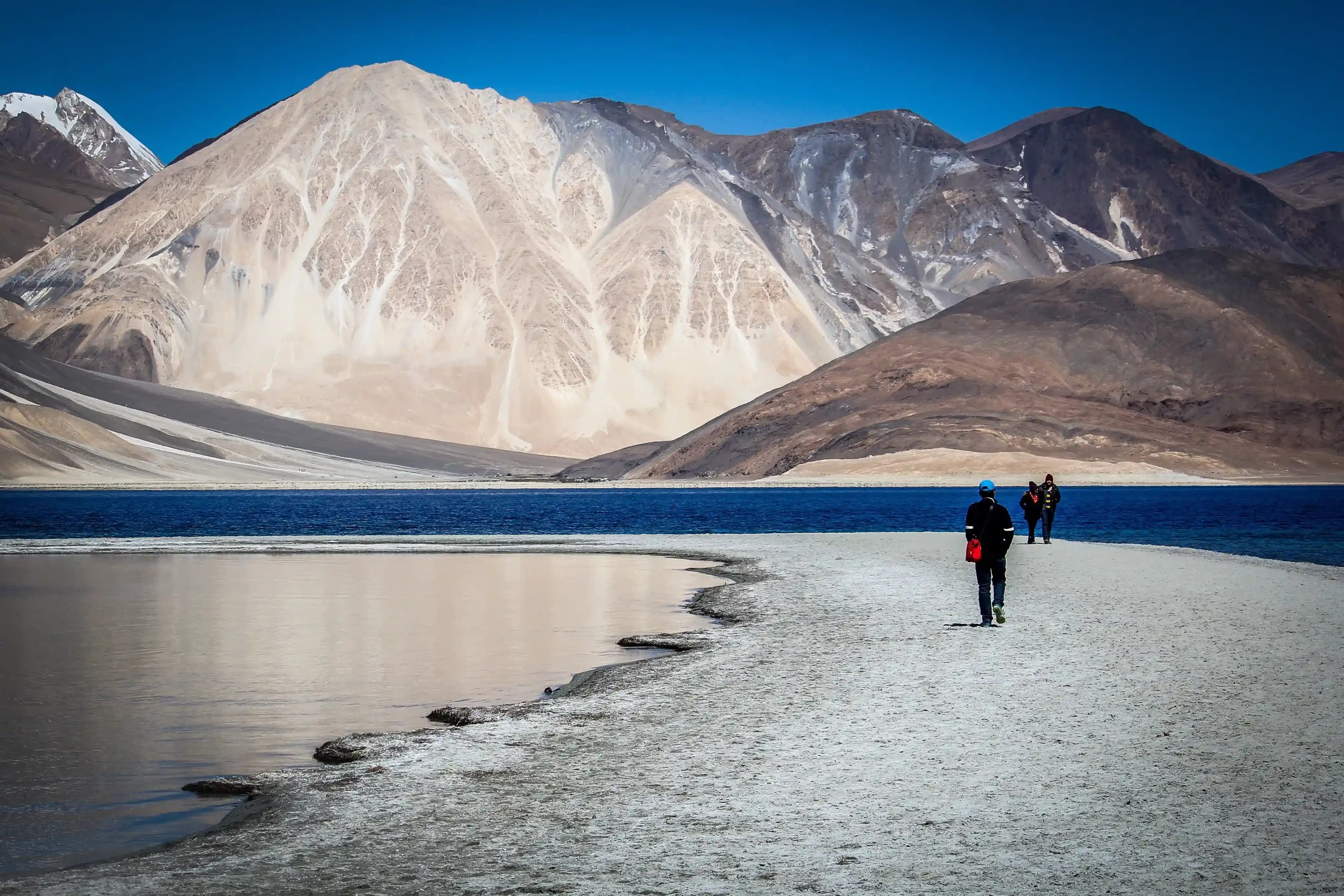
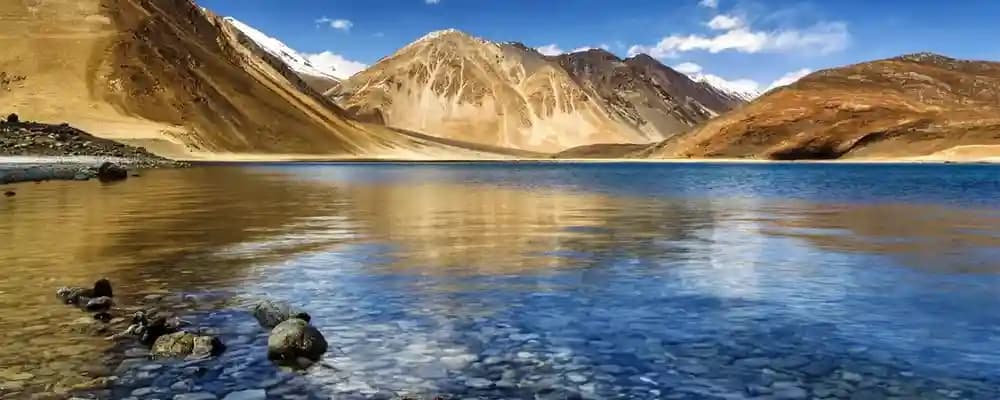
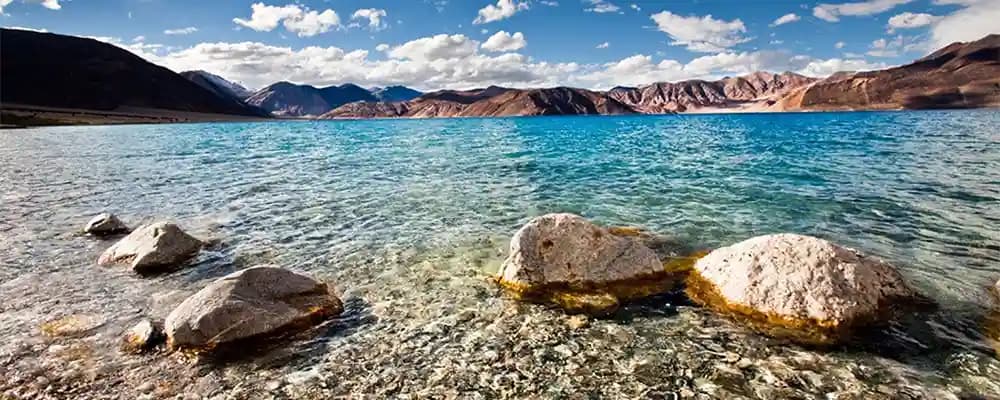
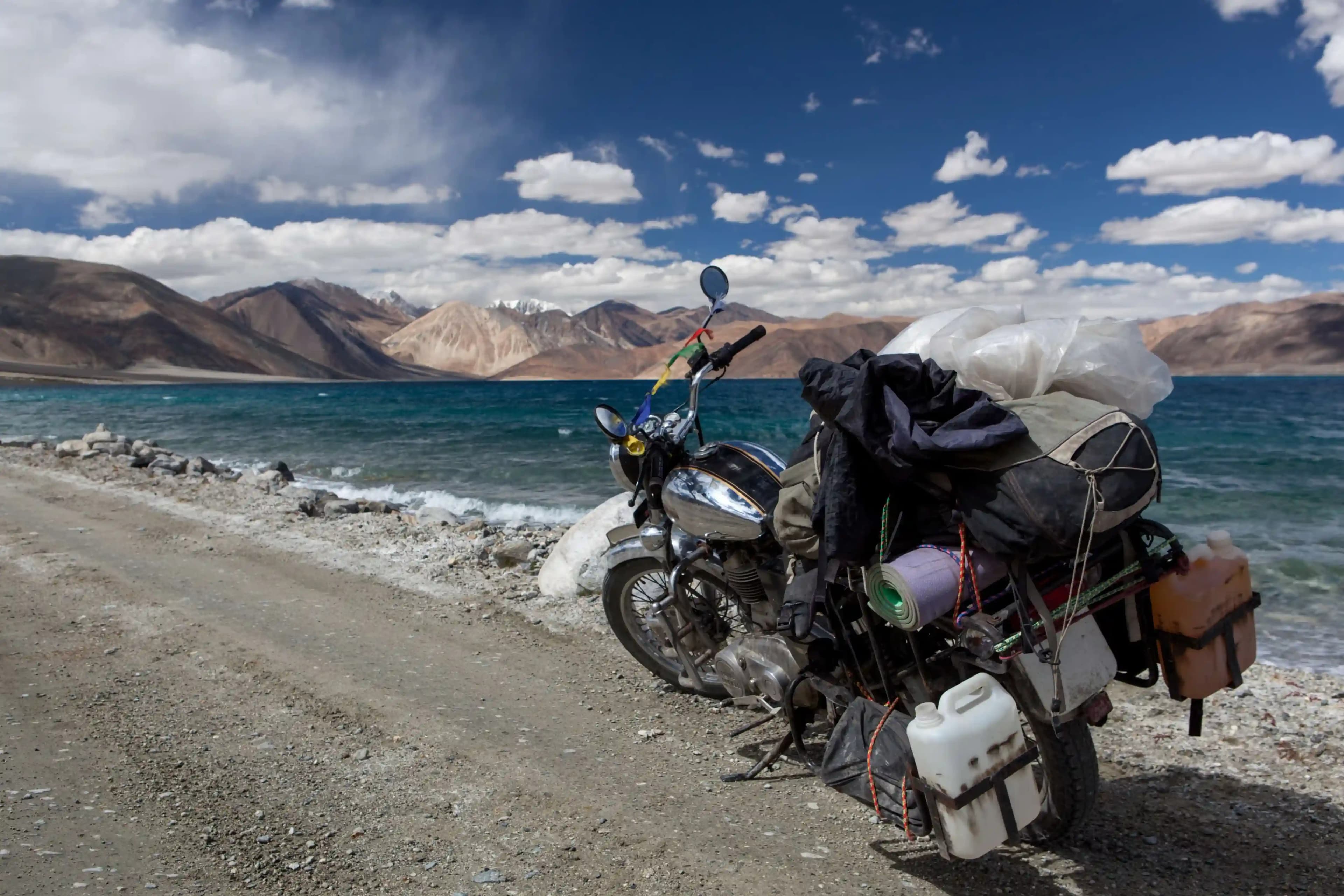
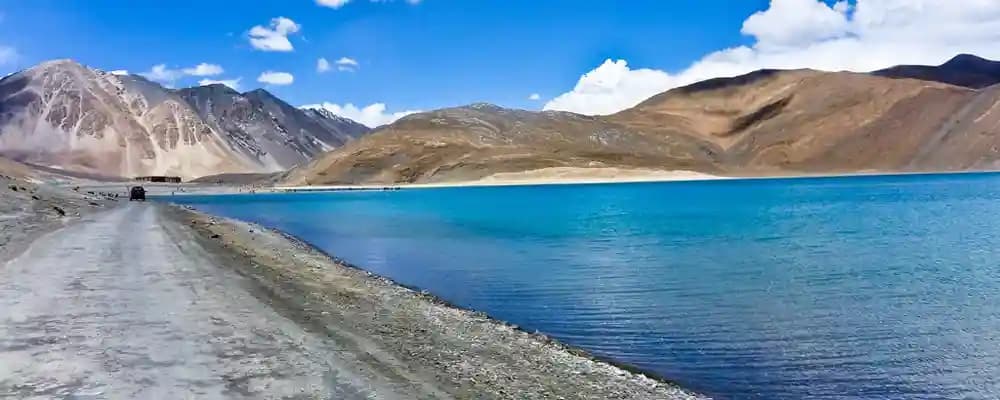
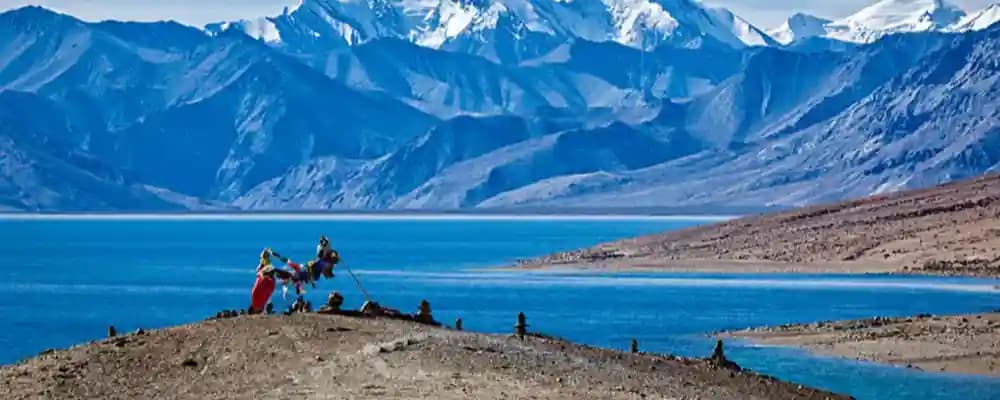
Visitors may enjoy guided trips to Leh and the surrounding areas during the Sindhu Darshan Festival. These tours provide an ideal opportunity to witness the monasteries, passes, and villages that characterise Ladakh. Among the places one may visit are Hemis Monastery, Thiksey Monastery, Pangong Lake, and Magnetic Hill. These outings enable festival enthusiasts to balance cultural discovery with scenery discovery.
Tourist Sites: Monasteries, Pangong Lake, Magnetic Hill
Tour Type: Group or private guided options
Best For: Culture vultures and adventure seekers
4. Local Cuisine and Crafts

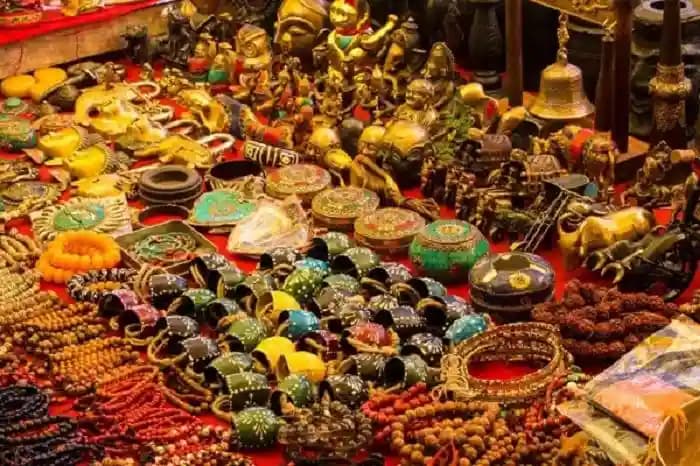
The Sindhu Darshan Festival site also features a number of stalls selling traditional Ladakhese food items such as thukpa, momos, butter tea, and skyu. Apart from these, tourists can shop for handcrafted items such as woolen shawls, pashmina scarves, and silver jewelry. The stalls provide employment to local artisans and enable tourists to carry a part of Ladakh's culture with them.
Food to Try: Thukpa, momos, butter tea
Crafts for Sale: Pashmina, wool shawls, silver jewelry
Experience: Intersection of taste and heritage
Suggested Read: The Best of Leh Ladakh
Best Places to Visit Nearby
During a visit to the Sindhu Darshan Festival in Ladakh, there are some scenic and cultural places to see around. They give a glimpse into the region's history, spirituality, and natural beauty.
1. Shanti Stupa

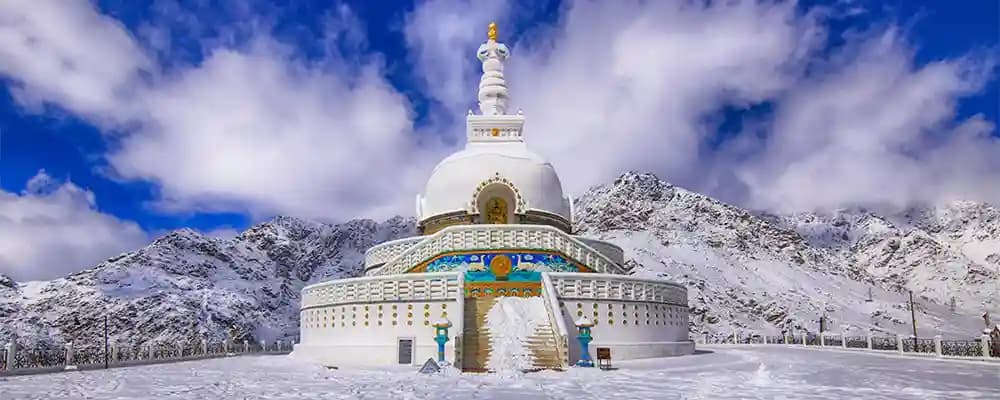
Situated on a hilltop above Leh, the Shanti Stupa is a white-domed Buddhist stupa with breathtaking views of the town and the hills. Built as a symbol of peace and harmony, it looks best at sunrise or sunset for a golden light over the valley. Pilgrims and tourists alike throng here to meditate and soak in the spiritual peace of Ladakh.
Location: Changspa, Leh
Best time: Morning or evening.
Entry: Free
2. Leh Palace

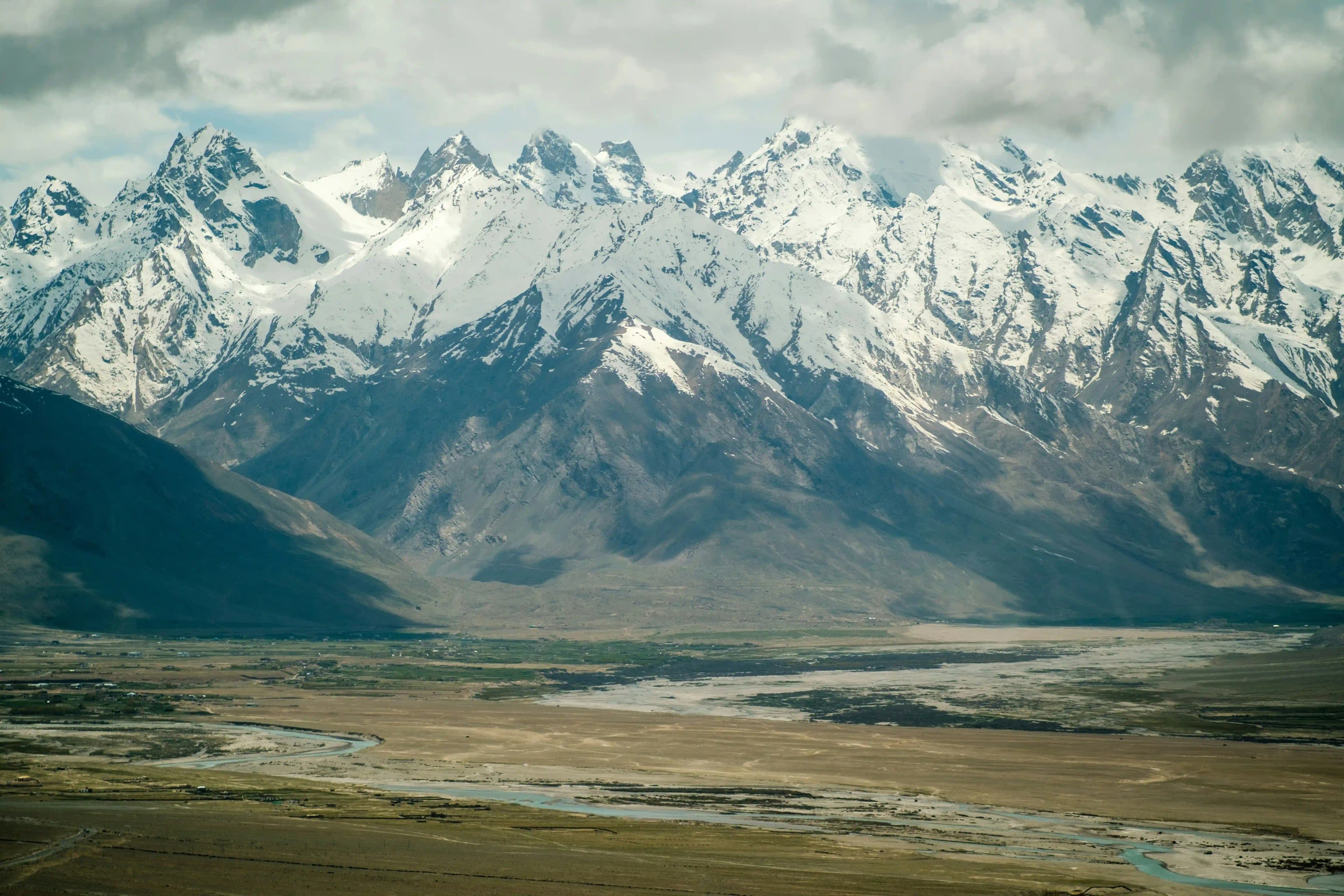
The Leh Palace, similar to that of Lhasa's Potala Palace, is a 17th-century palace with a glimpse of Ladakh's royal history. Although partially destroyed, it has museum displays such as royal attire and artifacts. The palace also provides a stunning view of Leh town and the Zanskar range. Visiting during the Sindhu Darshan Festival enables tourists to blend culture with heritage.
Location: Leh Old Town
Noteworthy feature: 9-storey structure
Entry: ₹25 for Indians
3. Magnetic Hill

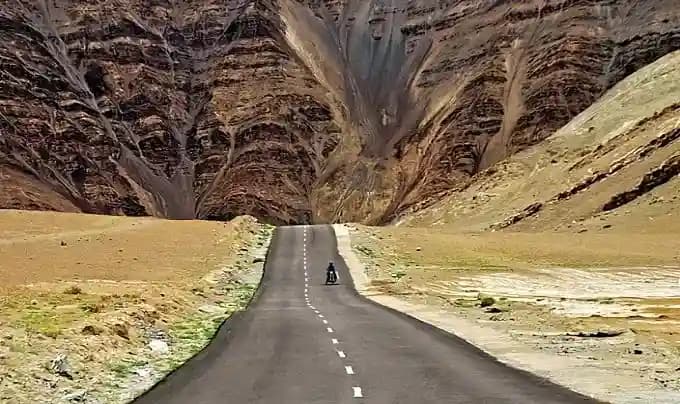
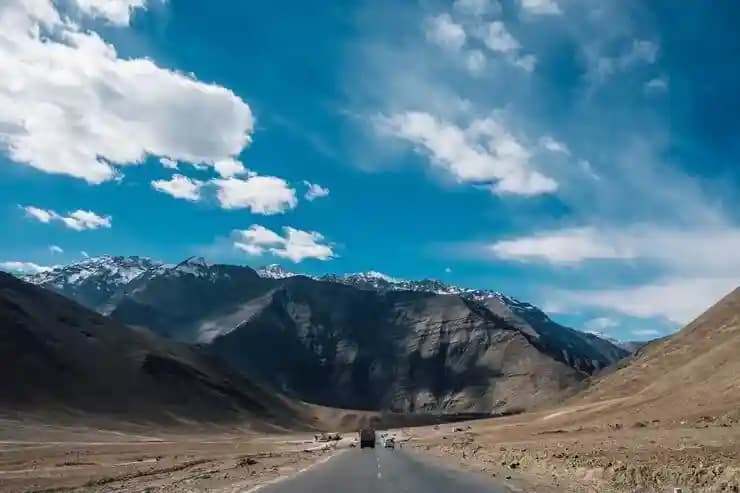
A geological wonder in the vicinity of Leh, Magnetic Hill seems to go against gravity—cars appear to roll uphill by themselves. This optical illusion attracts tourists, particularly during the festive season when the area is filled with visitors. Enclosed by bare mountains, the spot is ideal for photography and quick halts on road trips.
Distance from Leh: ~30 km
Experimentation: Optical Illusion
Entry: Free
4. Hall of Fame Museum

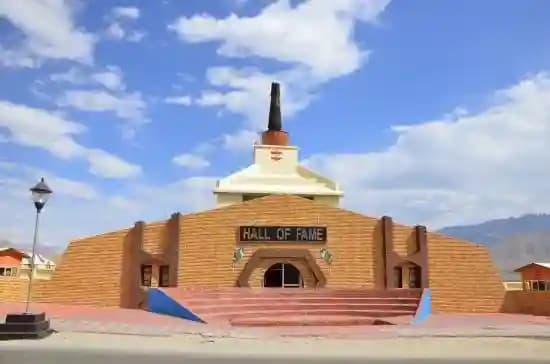
Operated by the Indian Army, Leh's Hall of Fame Museum is a dedication to the gallant soldiers who engaged in combat at high altitudes. The museum contains weapons, military equipment, and accounts of courage during the Kargil War. It is a heart-wrenching tribute that gives significance to the cultural experience during the Sindhu Darshan Festival.
Location: Near Leh Airport
Timings: 9 AM – 1 PM, 2 PM – 7 PM
Entry: ₹25
Suggested Read: Hall of Fame Leh: A Comprehensive Guide
5. Hemis Monastery

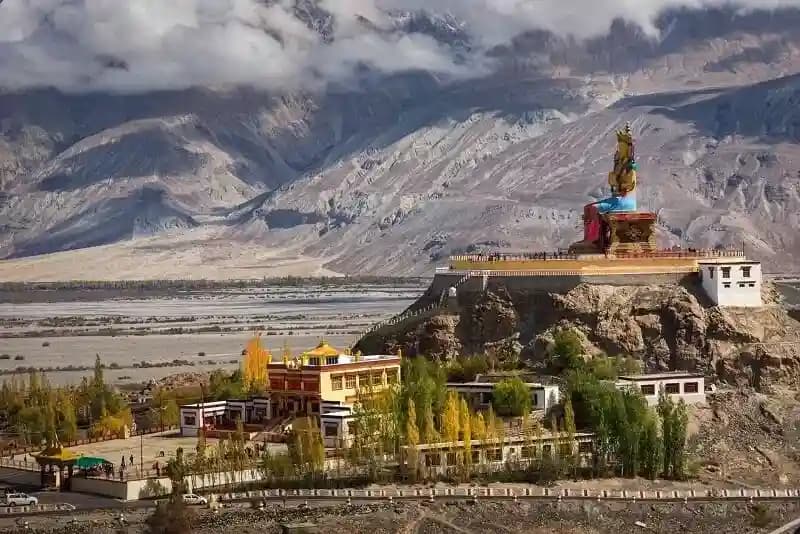
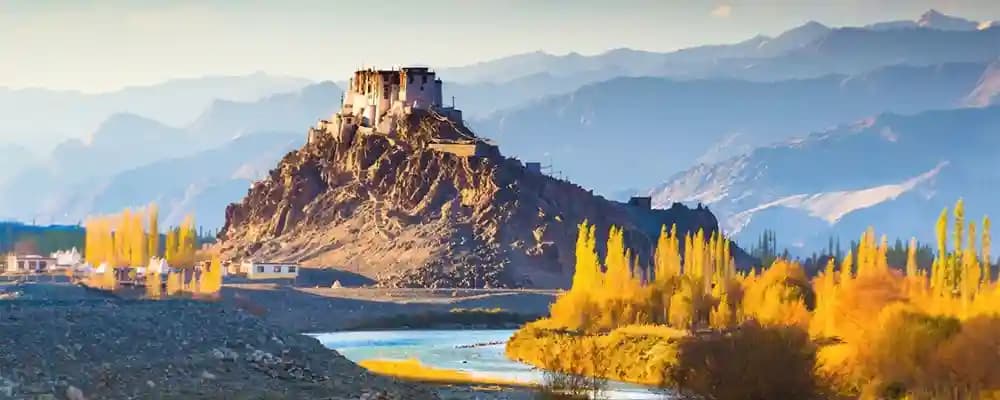
Nestled some 45 km away from Leh, Hemis Monastery is among Ladakh's largest and richest Buddhist monasteries. With its lively murals, towering copper statues, and sacred remnants, its religious immersion awaits pilgrims. Despite its prime celebration in June, the serene atmosphere and historical grandeur render it a prime location to visit in the vicinity of Sindhu Darshan.
Location: Hemis Village
Highlights: Giant Buddha statue, library
Recommended for: Cultural immersion Cultural Etiquette and Responsible Tourism
Suggested Read: 15 Historical Places In Ladakh: Your Ultimate History Guide
Cultural Etiquette and Responsible Tourism
A visit to Sindhu Darshan Festival is an exclusive opportunity to witness Ladakh's rich cultural heritage, but such a visit also carries a responsibility of adhering to local traditions. Ladakhi culture is based primarily on Tibetan Buddhism, and one must dress conservatively, particularly while attending religious rituals or visiting monasteries. Photography is generally not allowed in sacred areas, so please always seek permission before taking photos. Additionally, being respectful towards waste, being water-conscious, and patronizing local shops is in line with the philosophy of sustainable tourism in this eco-sensitive area. Guests must approach humbly with an open heart and mind and be willing to learn and take part respectfully.
Dress Code: Wear modest, layered clothing suitable for religious events and varying temperatures.
Respect Traditions: Avoid loud behavior, seek permission before photographing people or rituals
Eco-Conscious Travel: Carry reusable bottles, avoid plastic and dispose of waste responsibly
Support Local: Choose homestays, eat at local restaurants, and purchase souvenirs from regional artisans.
Cultural Sensitivity: Learn basic Ladakhi greetings or customs to foster respectful interaction.
Suggested Read: Things to do in Leh Ladakh
Travel Tips
Altitude acclimatization as Leh is at a high altitude; it's advisable to rest upon arrival to acclimatize
Be prepared for the weather because June weather is generally pleasant, but temperatures can vary; pack accordingly.
Carry necessary medications and stay hydrated to prevent altitude sickness.
Be mindful of local traditions and participate respectfully in festival activities.
Suggested Read: Top 40 Places to Visit in Leh Ladakh for Your Next Trip
As a cultural event, this festival celebrates the unity of India along with its diversity and extensive background through multifaceted celebrations. The spectacular Ladakh location provides visitors a distinctive chance to see spirituality unite with culture and beautiful nature during this festival. Visitors drawn to the spiritual importance along with traditional performances while gazing upon awe-inspiring scenery will find an event at the Sindhu Darshan Festival that captures India's essence.
Frequently Asked Questions
1. Why is Sindhu Darshan celebrated?
It is celebrated to honor the Indus River and promote unity, cultural harmony as well as India’s ancient heritage.
2. Sindhu Darshan Festival is celebrated in which state?
The grand festival is celebrated in Ladakh, near the banks of the Indus River in Leh.
3. What is the history of the Sindhu Darshan Festival?
The festival began in 1997, initiated to highlight the spiritual and national significance of the Indus River.
4. How is the Sindhu Darshan in Ladakh special?
It combines river worship, Ladakhi culture, and national unity, all set in the stunning landscapes of Ladakh.










 View on Map
 (+91) 8287636079