When is the Best Time to Visit Kashmir?

Kashmir, often known as "Paradise on Earth," has a climate moulded by its place near the Himalayas. Four seasons—spring, summer, autumn and winter—bring different weather and activities, helping travellers choose the best time to visit Kashmir based on what they enjoy. Spring, from March to May, fills the land with mild days and new growth. Summer, June to August, provides warm relief from the plains’ heat. Autumn, September to November, shows off bright colours, while winter, December to February, covers everything in snow. Each season offers something special, explained below with temperatures and highlights for trip planning.
Spring Season (March to May)

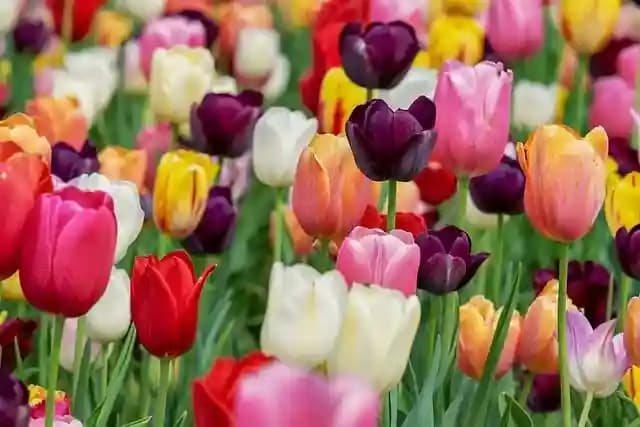
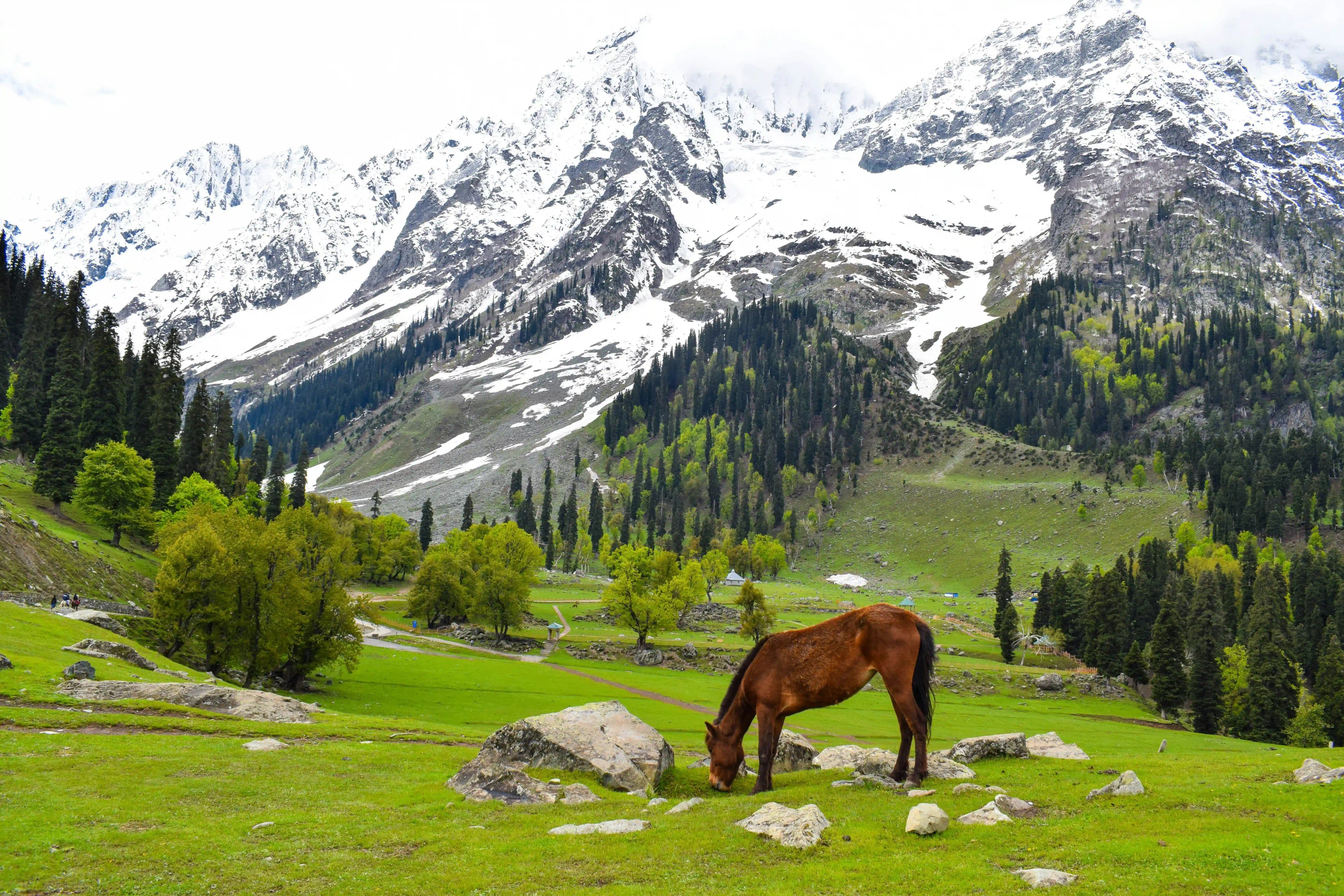
Spring, from March to May, stands out as the best time to visit Kashmir when snow melts and green valleys appear with temperatures of 10°C to 20°C. Tulips bloom in Srinagar’s Tulip Garden, the largest in Asia, while cherry and almond blossoms brighten the scenery, ideal for walks or picnics by Dal Lake. Mughal Gardens thrive, and hill treks become available. Light showers happen often, so a jacket or umbrella is handy during this season. It’s a fresh start, perfect for anyone looking for the best time to visit Kashmir among nature’s calm and beauty.
Things to Do in the Spring Season
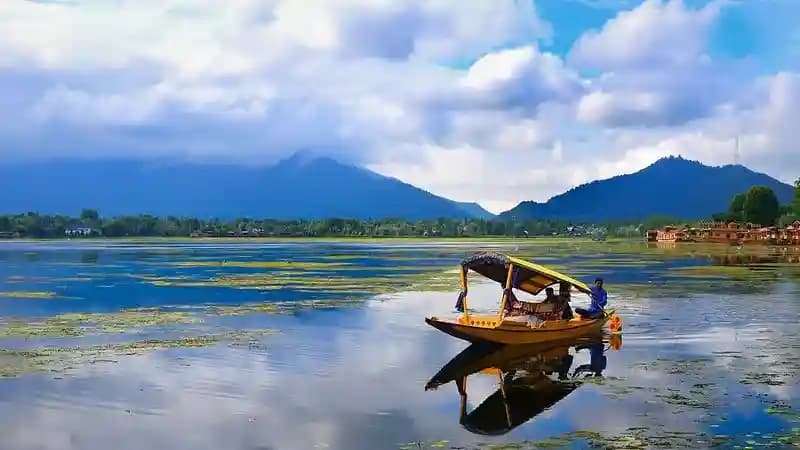
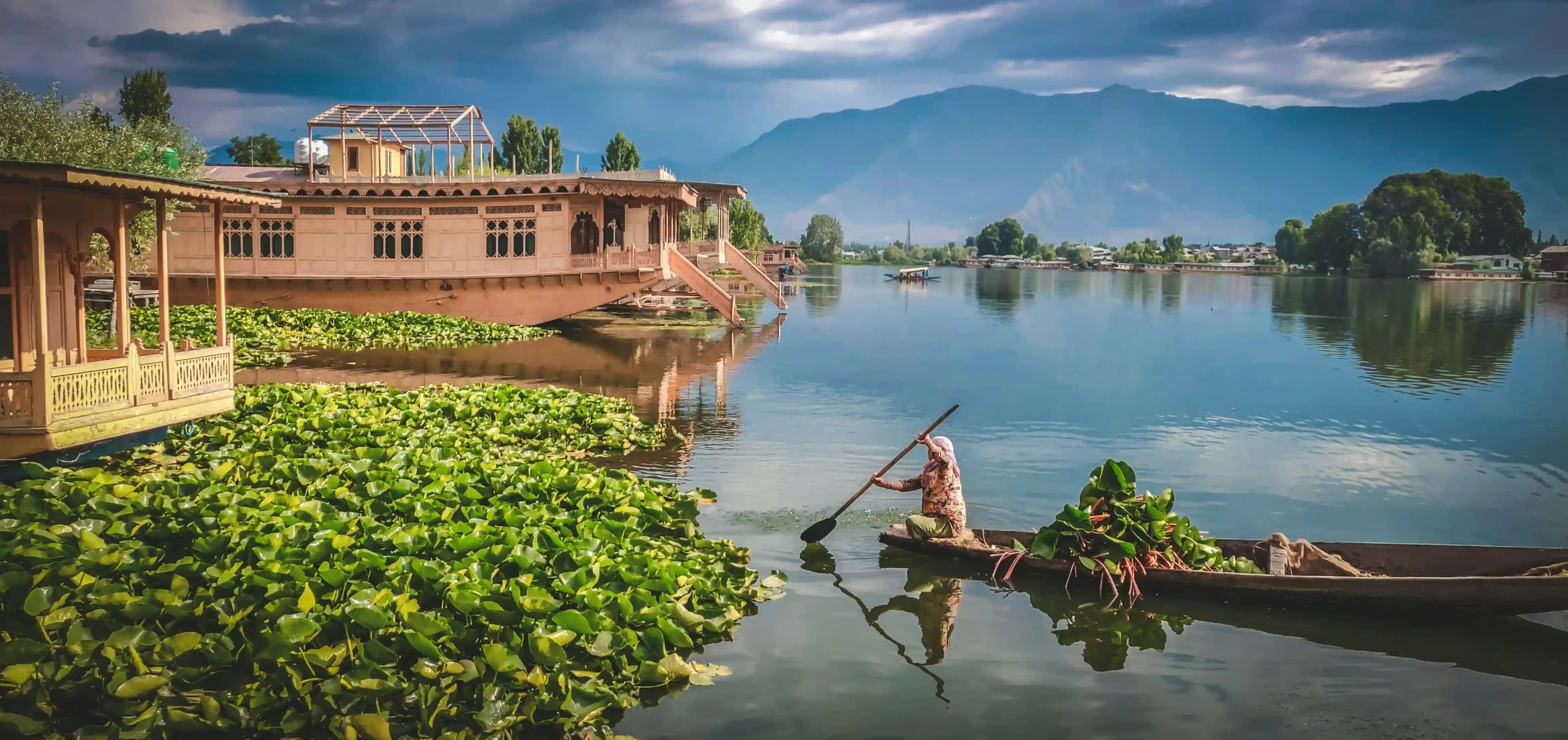
- Take a Shikara ride on Dal Lake for peaceful views.
- Visit the Tulip Garden in Srinagar for bright flowers.
- Explore Mughal Gardens like Shalimar Bagh for history and charm.
Suggested Read: Journeying through Jammu & Kashmir on a Budget
Summer Season (June to August)

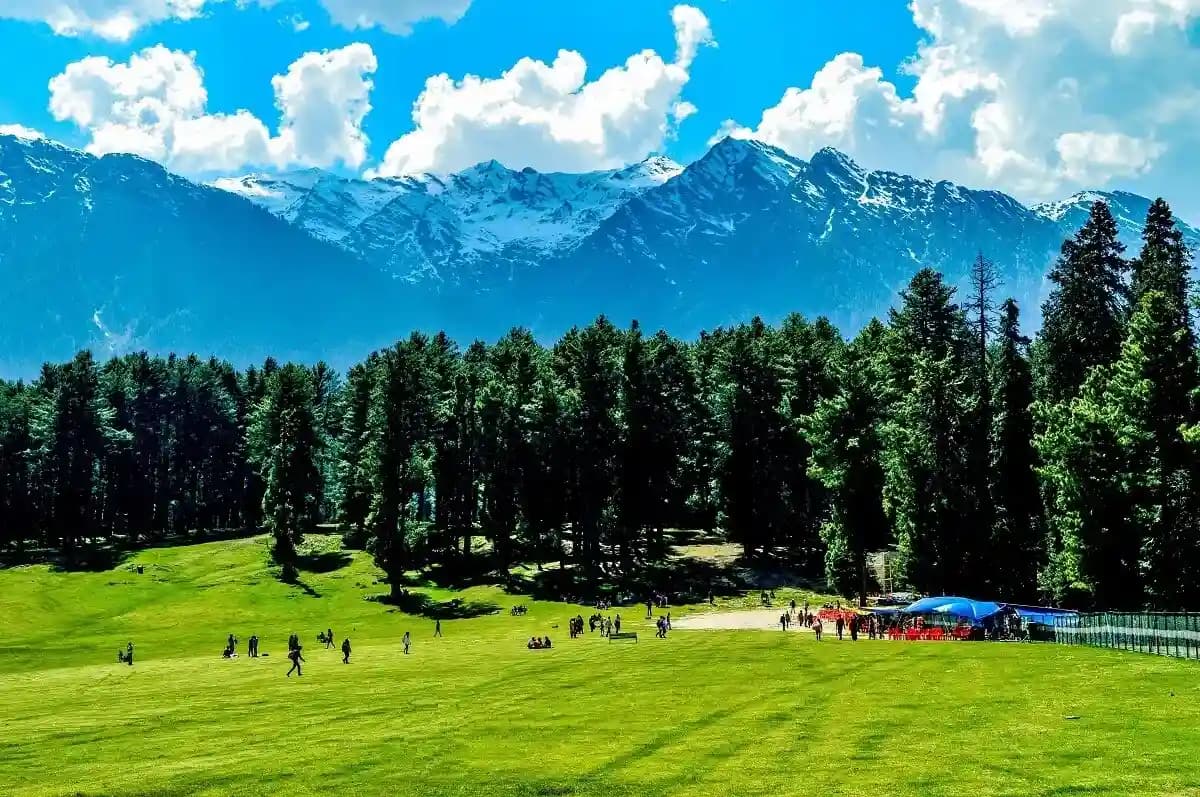
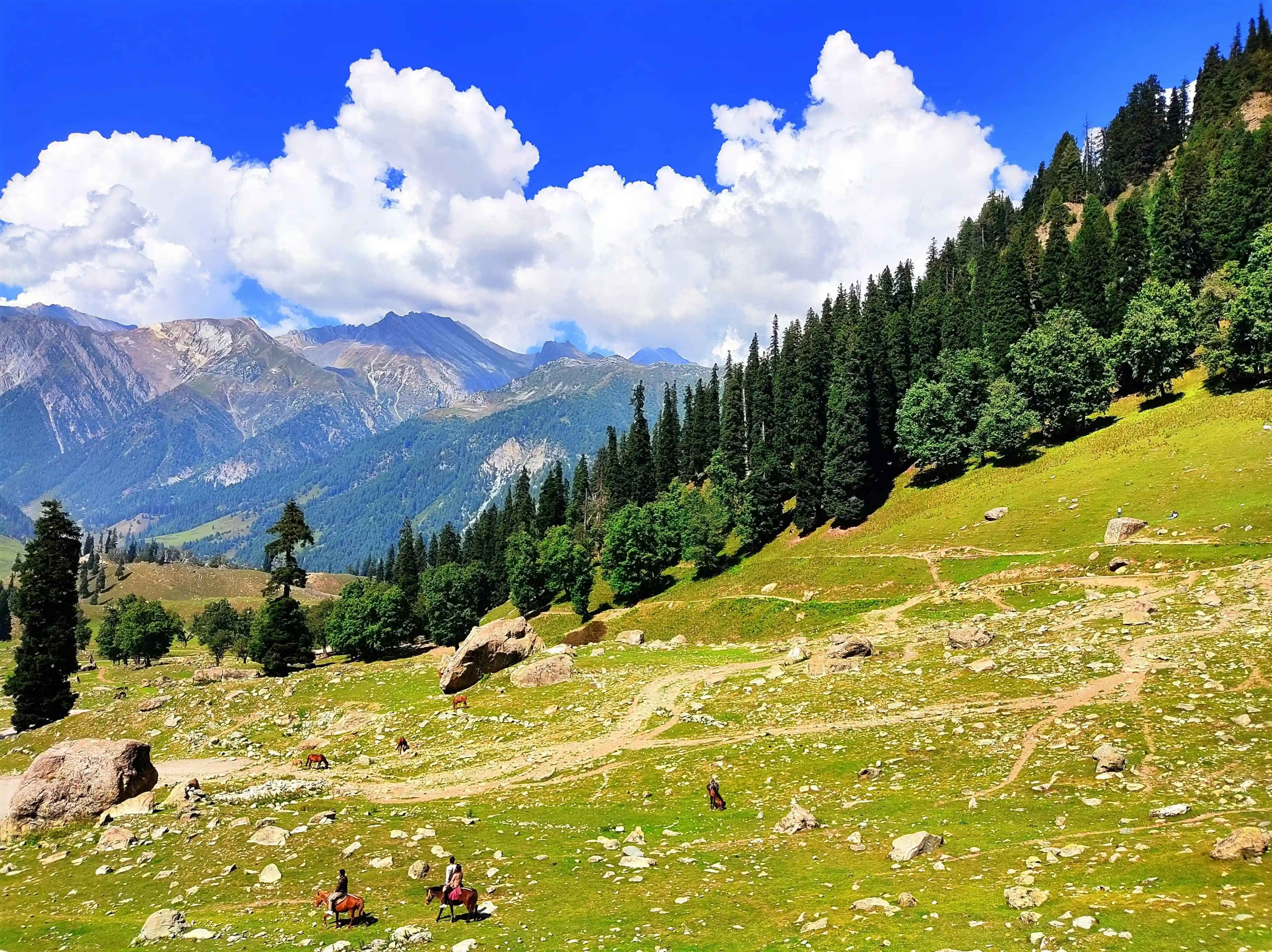
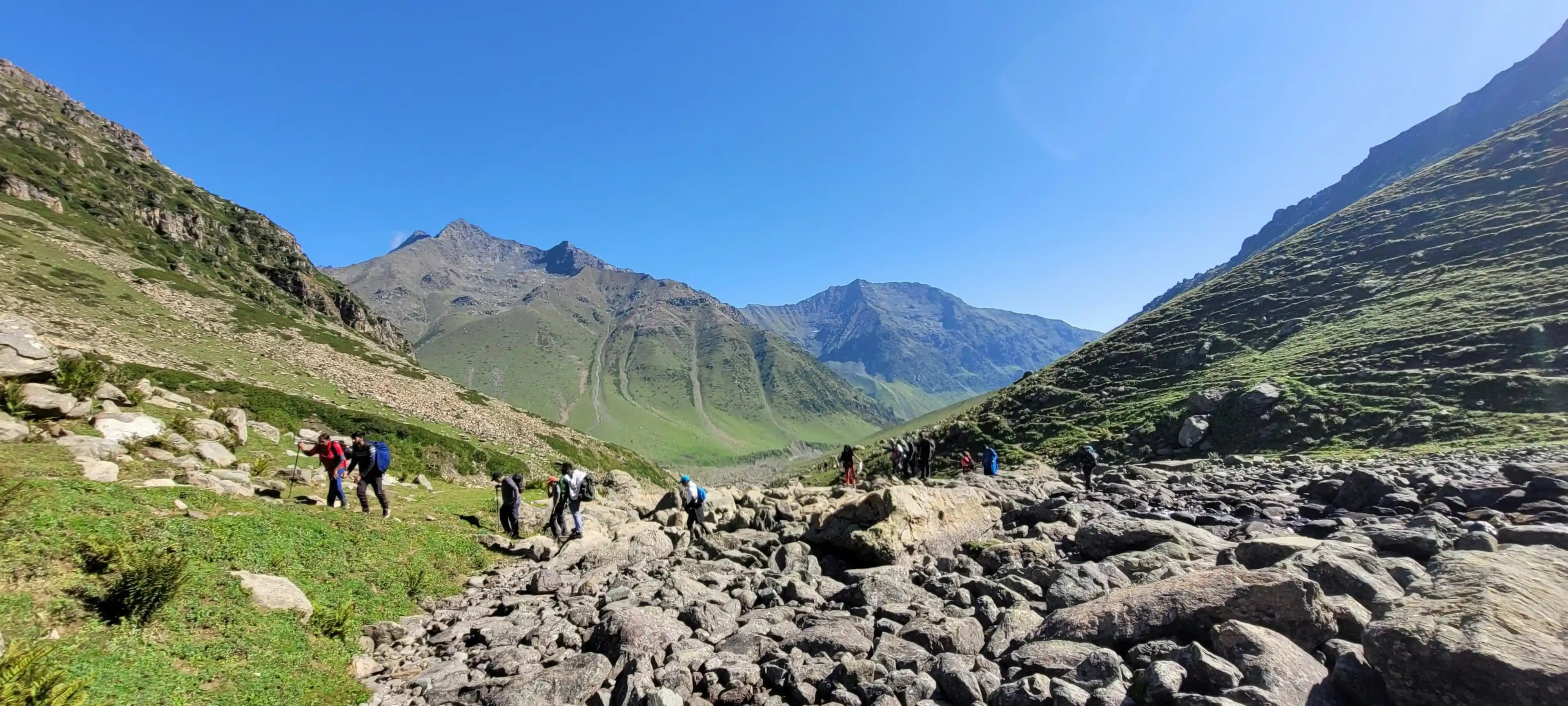
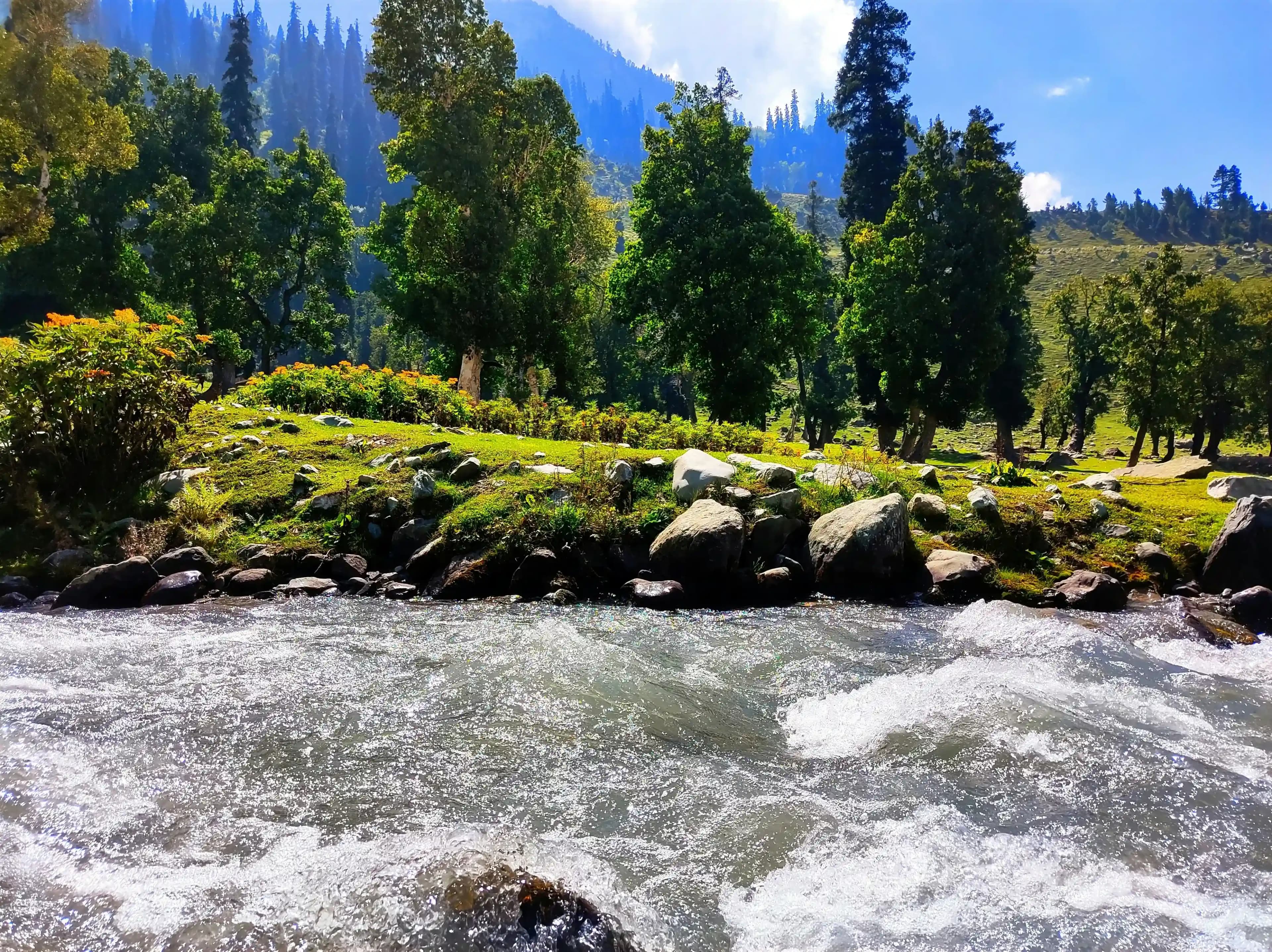
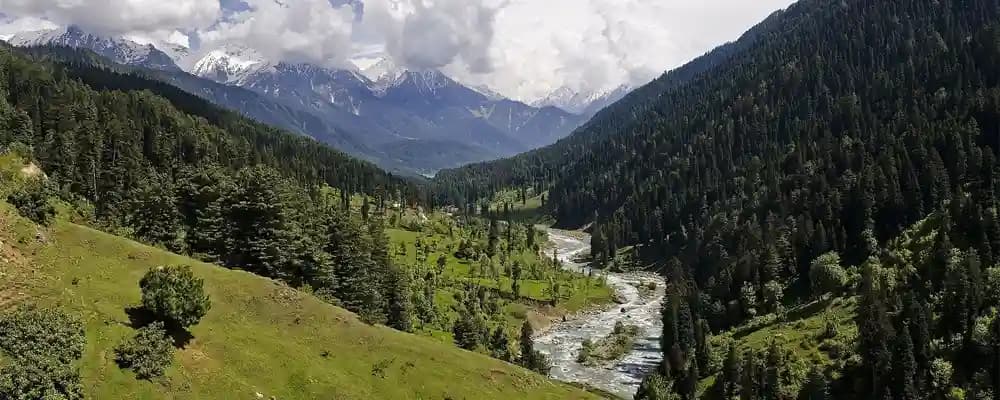
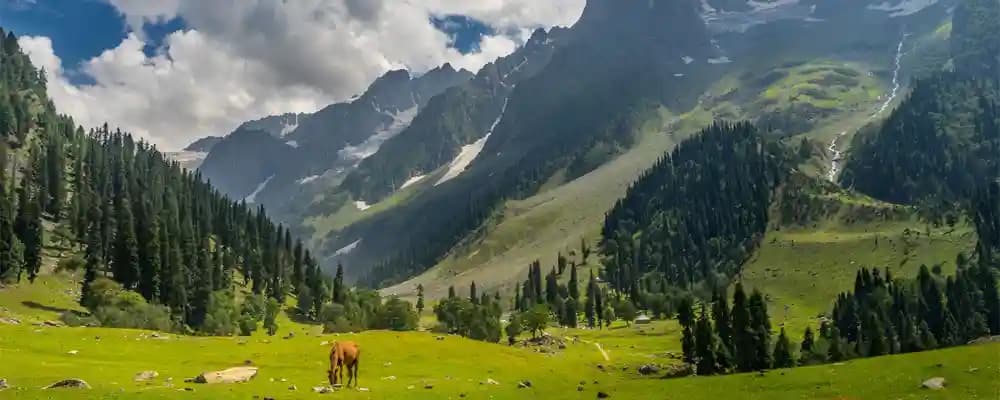
Summer, June to August, counts as the best time to visit Kashmir to escape the lowland heat, with temperatures from 15°C to 30°C. Days feel nice for trekking, camping, and water sports. Dal Lake hums with Shikara rides, and Mughal Gardens give a shady break. Higher spots like Gulmarg get light rain, but lower areas stay dry. Crowds grow, drawn by open paths, making the best time to visit Kashmir busy and full of life. It fits those keen to enjoy the outdoors and the region’s natural sights in warm weather.
Things to Do in the Summer Season
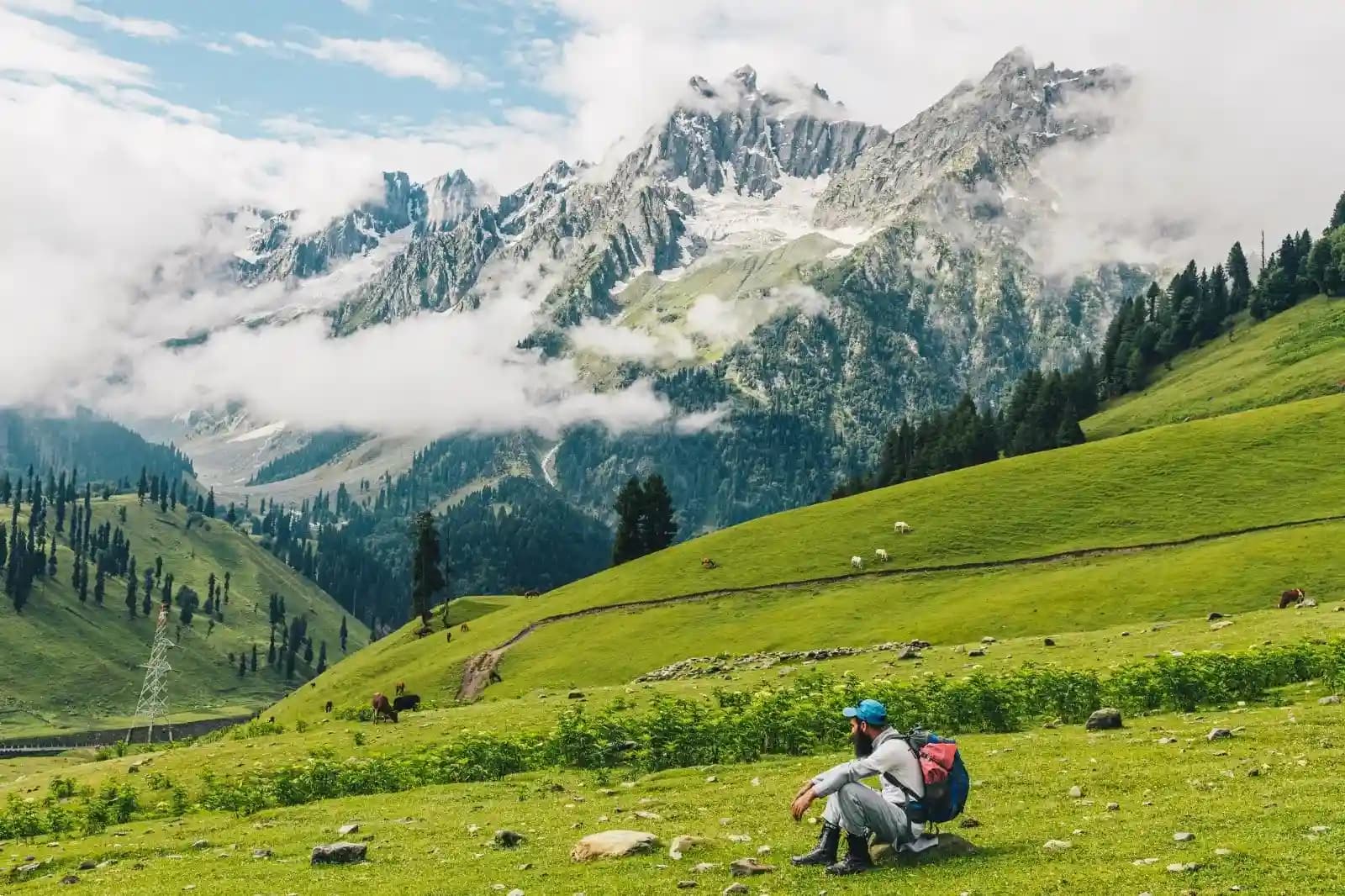
- Trek in Sonamarg or Gulmarg for grand views.
- Enjoy water sports or a Shikara ride on Dal Lake.
- Visit Betaab Valley in Pahalgam for green landscapes.
Suggested Read: Summer vacation in Jammu and Kashmir
Autumn Season (September to November)

Autumn, September to November, changes Kashmir into a golden sight, often seen as the best time to visit Kashmir for its looks. Temperatures of 10°C to 25°C come with clear skies and cool air. Chinar trees turn red and gold, great for photography or hikes. Festivals like Navroz bring cultural touches. Mild weather works well for outdoor plans, giving a quiet break. Fewer crowds than summer make it a fair pick for those wondering what is the best time to visit Kashmir among pretty scenes and calm trails.
Things to Do in the Autumn Season
- Stroll under Chinar trees in Srinagar for autumn colours.
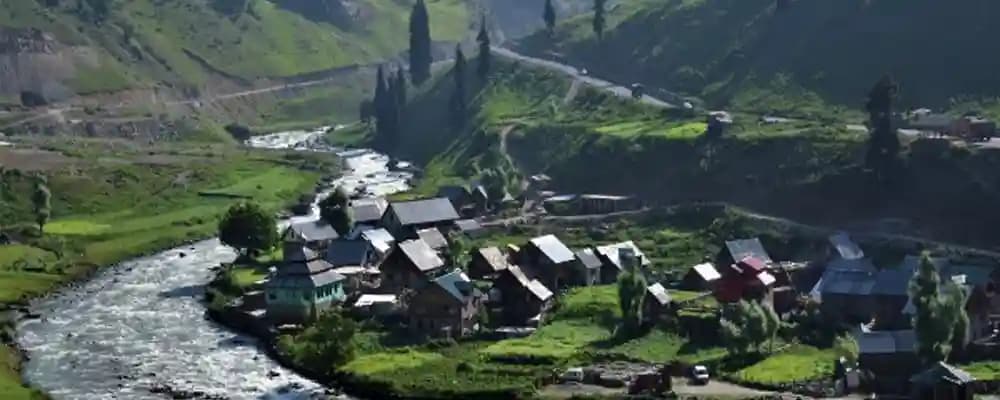
- Hike in Aru Valley for fresh air and golden sights.
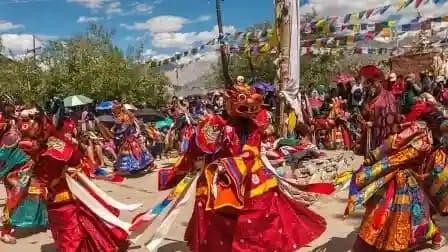
- Join local festivals like Navroz for a cultural experience.
Suggested Read: Kashmir - Find the Adventure of a Lifetime Here
Winter Season (December to February)

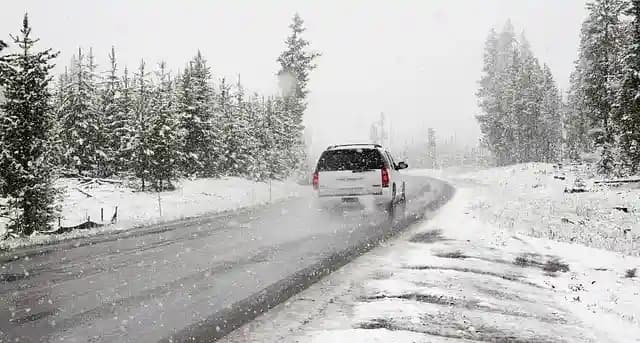
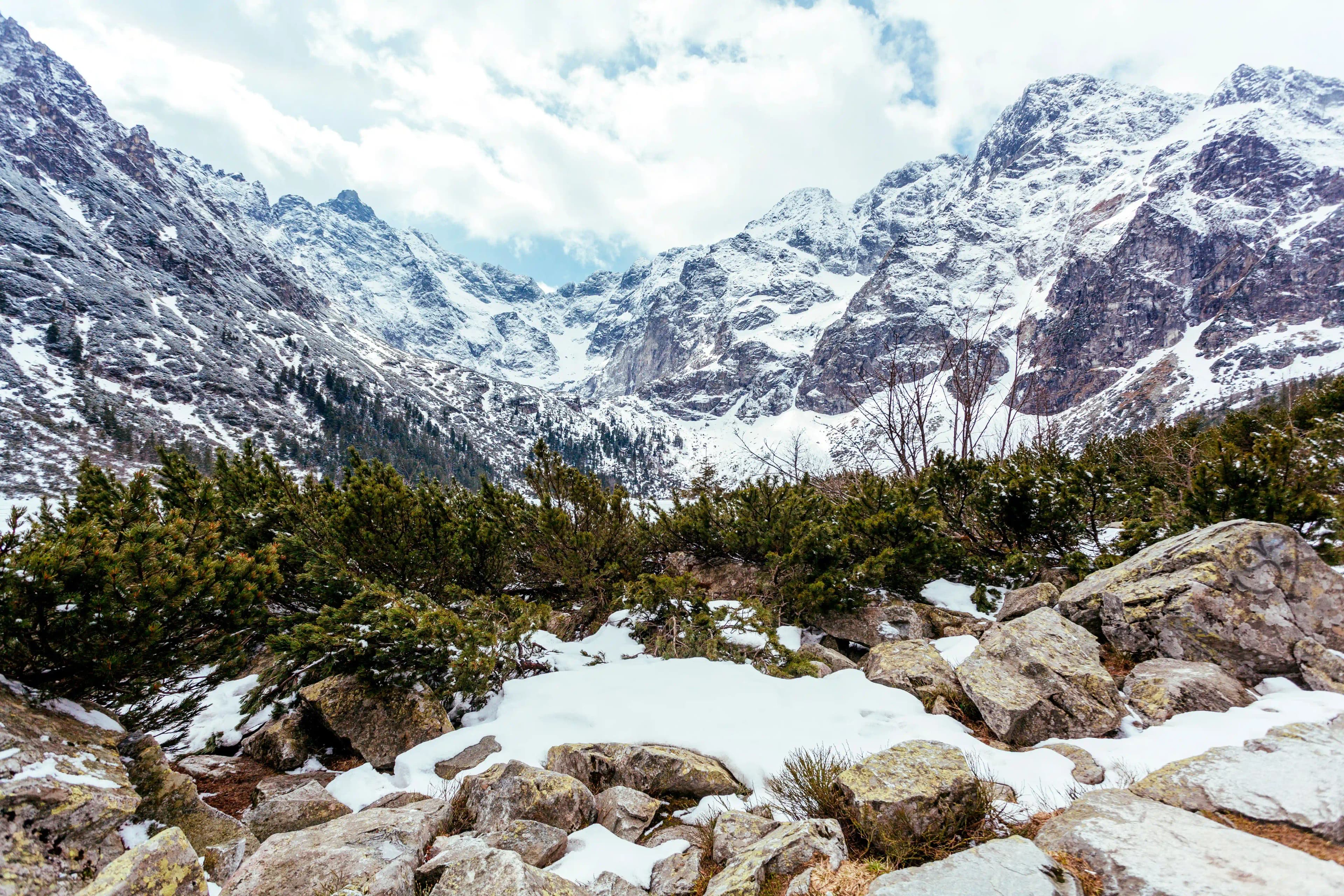
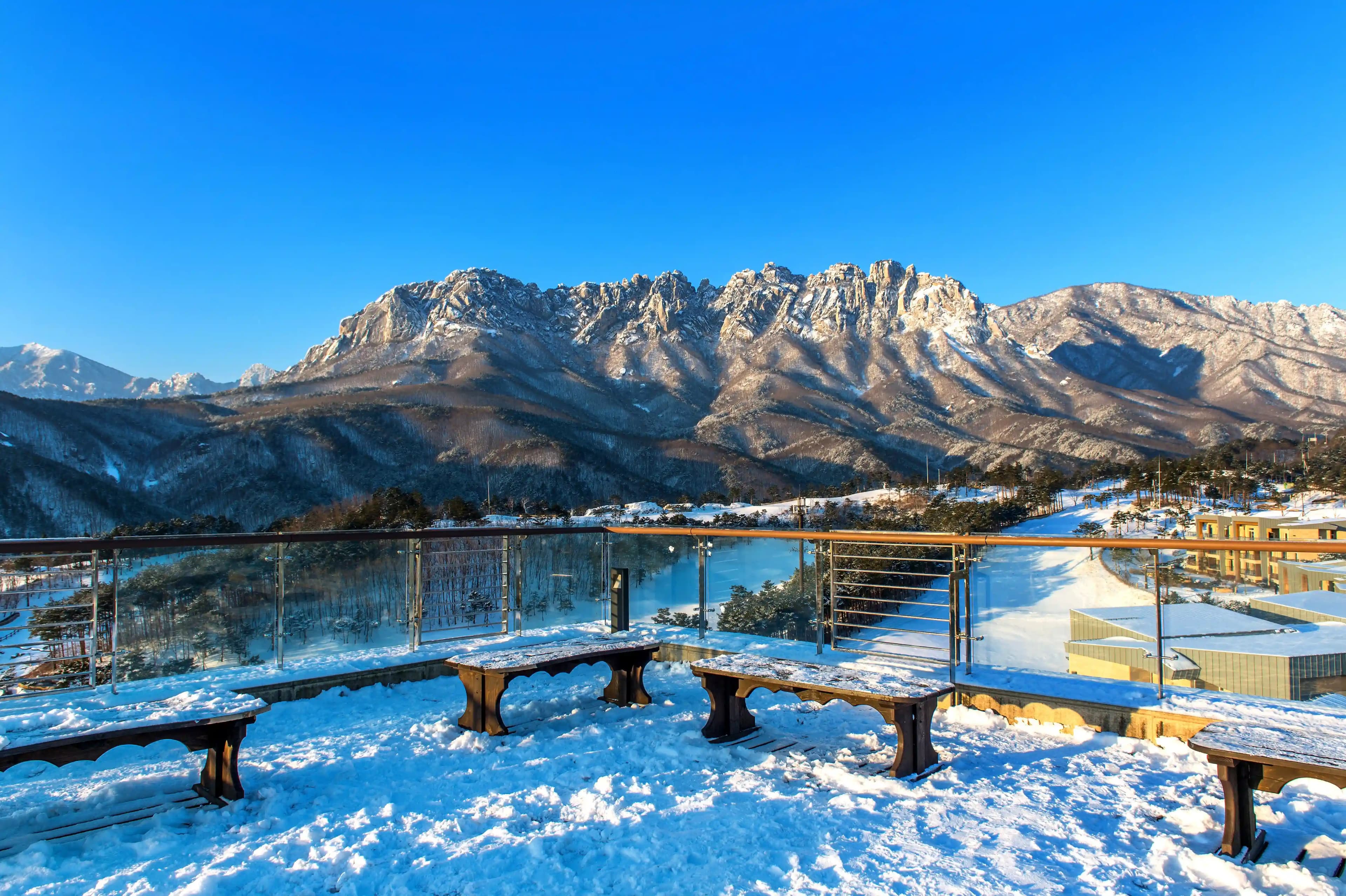
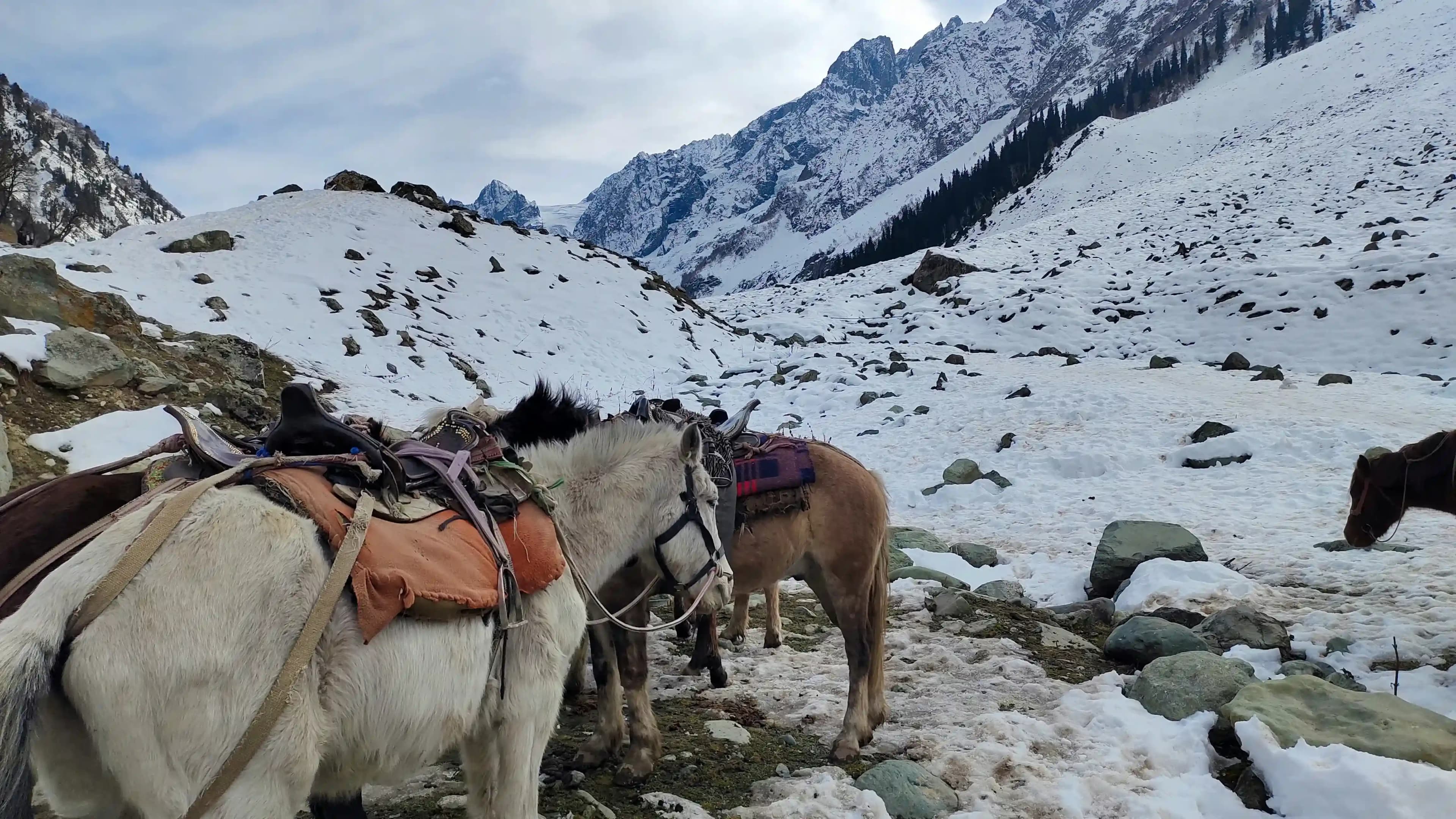
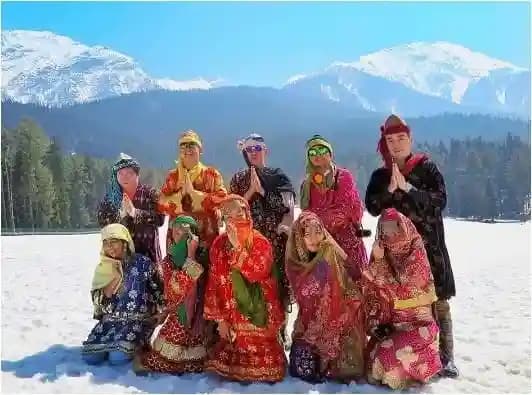
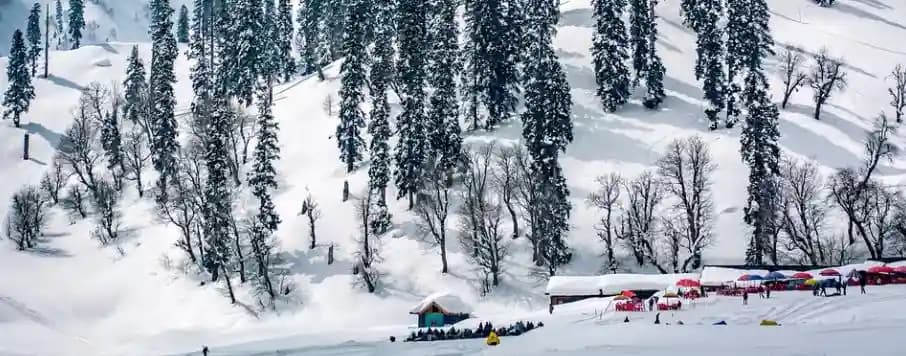
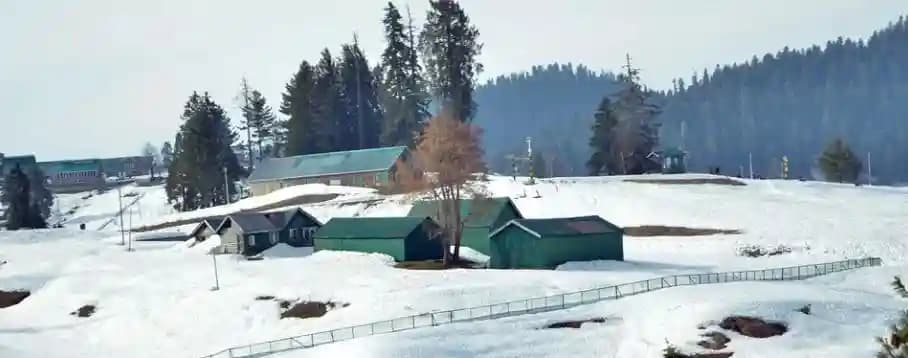
Winter, December to February, covers Kashmir in snow, marking it the best time to visit Kashmir for snow lovers. Temperatures fall to -2°C to 10°C, with heavy snow in higher places like Gulmarg and Pahalgam. Skiing, snowboarding, and snow walks do well, while lower areas like Srinagar stay cold but reachable. Warm clothing is needed. Fewer visitors offer a restful feel, drawing those asking which is the best time to visit Kashmir for a snowy escape packed with adventure and bold beauty.
Things to Do in the Winter Season
- Ski or snowboard in Gulmarg, a key winter place.
- Take a gondola ride in Gulmarg for snow-filled views.
- Walk Srinagar’s snow-covered streets for a silent appeal.
Suggested Read: An Unforgettable Experience - Kashmir
Top Places to Visit in Kashmir

The best time to visit Kashmir links to its top spots, each glowing in different seasons. These places improve travel plans with their special features all year long.
- Srinagar: Dal Lake and Mughal Gardens shine in spring and summer.
- Gulmarg: A winter sports centre, with summer meadows too.
- Pahalgam: Valleys bloom in spring and go snowy in winter.
- Sonamarg: Summer trails show rugged Himalayan beauty.
Suggested Read: You Can't-Miss out These Places in Kashmir
Tips to Plan Your Kashmir Trip
- Book early for summer or winter to lock in spots at the best time to visit Kashmir.
- Visit Dal Lake or gardens early morning to miss crowds.
- Try homestays in quiet areas like Aru for a local touch.
- Pack light layers for spring and autumn, and heavy gear for winter.
- Plan around festivals like Navroz for cultural moments, good for the best time to visit Kashmir with family.
Kashmir leaves a mark with its shifting seasons, each one telling a different tale. Spring wakes up the valleys with soft blooms, summer hums with warm days, autumn lights up the trees in gold, and winter quiets everything under snow. Travellers find endless reasons to return—whether it’s the still lakes, high trails, or local smiles that greet them. Picking the best time to visit Kashmir turns a trip into something special, matching the weather to whatever draws people here. Every visit shows a new side, from peaceful walks to snowy slopes. The seasons keep calling, offering fresh chances to see this place in all its beauty, making every moment worth the journey.
Frequently Asked Questions About Best Time to Visit Kashmir:-
1. Which is the golden season of Kashmir?
Autumn, from September to November, is often called the golden season. The trees turn red and gold, the air stays crisp, and the views look stunning, making it a favourite for many travellers.
2. In which month Kashmir has snowfall?
Snowfall hits Kashmir between December and February. Higher spots like Gulmarg and Pahalgam get covered in snow, turning them into a white wonderland during these cold months.
3. Which is the cheapest month to visit Kashmir?
Winter months, especially January and February, tend to see fewer visitors. The quieter time after the holidays makes travel feel less busy and often lighter on the pocket.
4. Which is off-season in Kashmir?
Winter, from December to February, counts as the off-season. Fewer crowds come then, leaving the snowy hills calm and peaceful for those who enjoy the chill.











 View on Map
 (+91) 8287636079